
When to Plant Kangkong in Brisbane, Subtropical Guide
That soil figure is read off our own weather station in South East Queensland at 6:55 this morning, not a model.
What this month normally looks like in Subtropical
In October the Subtropical zone normally runs 27°C by day and 15°C overnight, with about 77 mm of rain over 7 wet days. The coldest October night on record across the zone was -0.2°C, so a late frost is not out of the question. Averages 1991 to 2026, 33 postcodes, SILO.
Jump to section
This Kangkong guide is written for the Subtropical zone, which takes in Brisbane, the Gold Coast and the Sunshine Coast. Somewhere else? Your postcode picks the right one.
Not your zone? Cairns Sydney Melbourne Canberra Alice Springs Perth
Also handy: will it frost this week? and what grows in shade.
- Planting window
- Sep to Feb
- Days to harvest
- 35 days
- Sun
- Full sun
- Spacing
- 18 cm apart
Kangkong is also called water spinach. It grows fast in heat and plenty of water, and you can cut it again and again. Before you plant it, check with your local council or state department of agriculture.
Published · By GardenBuddy.au
Planting dates, current conditions and prices on this page update daily.
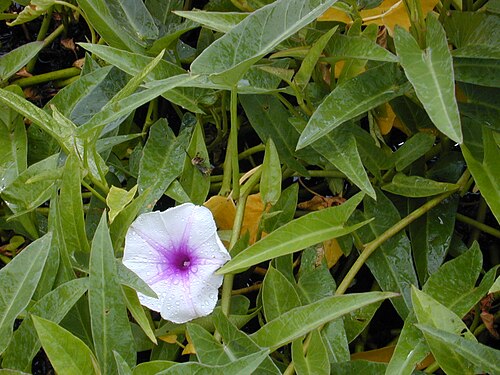
Photo: Wikimedia Commons
Planting Calendar for Subtropical
- Jan D
- Feb D
- Mar -
- Apr -
- May -
- Jun -
- Jul -
- Aug -
- Sep D
- Oct D
- Nov D
- Dec D
S = Seed Tray T = Transplant D = Direct Sow
Want a nudge when it is sowing time?
One email a week with what is worth planting in the Subtropical zone right now, Kangkong included, plus which veg has jumped in price at the supermarket. Free, and you can stop it in one click.
How to Grow Kangkong in Subtropical Australia
- Soil
- Rich, constantly damp soil. It will also grow in shallow water.
- Salt
- Moderately sensitive. Copes with a little salt, but the harvest drops on salty bore water.
- Sunlight
- Full sun.
- Spacing
- 18cm apart
- Watering
- Keep the soil wet at all times. No amounts are given by the source.
- Grow before it
- Legumes (Beans - Dwarf, Peas, Broad Beans)
- Grow after it
- Fruiting crops (Tomato, Capsicum, Zucchini)
Give the bed 3 turns before leafy greens go back in. Leaf crops want the nitrogen the legumes left behind.
Subtropical Growing Tips for Kangkong
Key Challenges
- Cool nights in autumn
- Frost
- Escape into waterways
Pro Tips
- Wait for warm soil
- Use a pot you can move
- Check your local rules first
Harvesting Kangkong
When ready: Harvest before flowering, when shoots are tender.
How to harvest: Cut 10 cm above the ground. It regrows in 2 to 3 weeks (Rob Pyne).
What members get
- Soil and weather from your nearest station
- An email when it's time to sow
- Your own garden plan, including planning from a photo
- Price history and price alerts
- Pest risk alerts for your area
- Full salt and canning detail
Common Questions About Kangkong
When do you plant kangkong in Australia?
It depends on your climate zone, not the calendar month alone. Planting months by zone:
- Tropical (Cairns): all year
- Subtropical (Brisbane): Jan to Feb, Sep to Dec
- Warm Temperate (Sydney): Jan, Oct to Dec
- Cool Temperate (Melbourne): Nov to Dec
- Cold / Highland (Canberra): not recommended
- Arid / Semi-Arid (Alice Springs): Jan, Oct to Dec
- Mediterranean (Perth): Oct to Dec
Can you grow kangkong all year round in Brisbane?
No. In the Subtropical zone the planting months are Jan to Feb, Sep to Dec. Outside that window it either bolts, sulks or gets cut down by the weather.
When should I plant Kangkong in Brisbane?
Sow from September to February once the soil is warm. Growth stops below about 20°C and frost kills it. No regional calendar was found, so this is derived from the Rob Pyne temperature range.
What soil temperature do Kangkong need?
Kangkong germinate best when soil temperature is between 20°C and 35°C.
How do I know when Kangkong are ready to harvest?
Harvest before flowering, when shoots are tender.
Are kangkong salt tolerant?
Only a little. Kangkong are moderately sensitive to salt, so the harvest drops on salty bore water. Mix salty water with rainwater, and mulch the bed.
Which zone am I in?
Type your postcode into the box near the top of the page and it tells you, and links this crop in your own zone if it differs. Or look it up on the grow zone map. This page is the Subtropical zone, Brisbane is its reference city.