
When to Plant Amaranth in Perth, Mediterranean Guide
Soil temperature is modelled from Open-Meteo forecast (Perth), not a live sensor.
What this month normally looks like in Mediterranean
In October the Mediterranean zone normally runs 22°C by day and 10°C overnight, with about 38 mm of rain over 6 or 7 wet days. The coldest October night on record across the zone was -0.2°C, so a late frost is not out of the question. Averages 1991 to 2026, 19 postcodes, SILO.
Jump to section
This Amaranth guide is written for the Mediterranean zone, which takes in Perth, Adelaide and Bunbury. Somewhere else? Your postcode picks the right one.
Not your zone? Cairns Brisbane Sydney Melbourne Canberra Alice Springs
Also handy: will it frost this week? and what grows in shade.
- Planting window
- Sep to Feb
- Days to harvest
- 40 days
- Sun
- Full sun to part shade
- Water
- Low
- Spacing
- 25 cm apart
- Soil pH
- 6.0–7.5
Amaranth is a heat-loving leafy green and grain crop originating from Central America, now widely grown across tropical and subtropical Australia.
Published · By GardenBuddy.au
Planting dates, current conditions and prices on this page update daily.
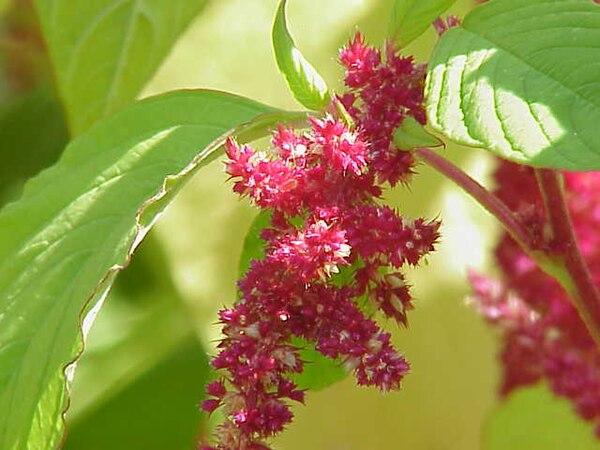
Photo: Wikimedia Commons
Planting Calendar for Mediterranean
- Jan S/T/D
- Feb T
- Mar -
- Apr -
- May -
- Jun -
- Jul -
- Aug -
- Sep S
- Oct S/T/D
- Nov S/T/D
- Dec S/T/D
S = Seed Tray T = Transplant D = Direct Sow
Want a nudge when it is sowing time?
One email a week with what is worth planting in the Mediterranean zone right now, Amaranth included, plus which veg has jumped in price at the supermarket. Free, and you can stop it in one click.
How to Grow Amaranth in Mediterranean Australia
- Soil
- Well-drained, fertile loam enriched with compost. Tolerates a wide range of soils including sandy and clay, provided drainage is adequate.
- Salt
- Moderately sensitive. Copes with a little salt, but the harvest drops on salty bore water.
- pH Range
- 6.0-7.5
- Sunlight
- Full sun (minimum 6-8 hours). Will tolerate light afternoon shade in extreme heat.
- Spacing
- 25cm apart, 45cm between rows
- Watering
- Water deeply 2-3 times per week once established. Drought tolerant once mature but produces best leaf quality with consistent moisture. Avoid waterlogging. Drip irrigation preferred.
- Good companions
- Lettuce (amaranth provides shade), Onion, Tomato, Sweet Corn, Marigold
- Keep away from
- Fennel
- Grow before it
- Legumes (Beans - Dwarf, Peas, Broad Beans)
- Grow after it
- Fruiting crops (Tomato, Capsicum, Zucchini)
Give the bed 3 turns before leafy greens go back in. Leaf crops want the nitrogen the legumes left behind.
Mediterranean Growing Tips for Amaranth
Recommended Varieties
- Red Leaf Amaranth
- Alegria (grain)
- Golden Giant
Key Challenges
- Summer water restrictions may limit irrigation
- Hot north winds can scorch young plants
- Can self-seed aggressively in garden
Pro Tips
- Excellent summer crop for Perth and Adelaide gardens
- Mulch heavily and use drip irrigation to manage water restrictions
- Harvest regularly to prevent plants becoming woody
Pests and problems for Amaranth in Mediterranean
- Aphids and Whiteflies Moderate
- Damping Off Use sterile seed-raising mix. Avoid overwatering seedlings. Ensure good drainage and airflow. Sow thinly. Water with chamomile tea as... Watch
- Downy Mildew Avoid overhead watering. Space plants adequately. Water in morning so foliage dries. Rotate crops. Choose well-drained sites. Watch
Organic prevention (Aphids): Avoid excessive nitrogen fertiliser. Encourage beneficial insects with flowering companion plants. Check new seedlings before planting.
Harvesting Amaranth
When ready: Leaf amaranth: harvest when leaves are 10-15cm long for baby greens, or let plants reach 30-40cm for full-size leaves. Grain amaranth: harvest when seed heads droop and seeds fall easily when rubbed.
How to harvest: Cut-and-come-again: cut leaves or tops 10cm above ground level and plants will reshoot. For grain: cut entire seed heads, dry in paper bags, thresh by rubbing between hands.
Storing and preserving amaranth
How to keep it
- Blanching and Freezing. Wash leaves thoroughly. Blanch in boiling water for 2 minutes. Plunge into ice bath. Squeeze out excess water. Pack into freezer bags, removing air. Freeze flat for easy portioning. Keeps: 8-12 months.
- Dehydrating. Wash and pat dry leaves. Remove thick stems. Spread in single layer on dehydrator trays. Dry at 52C for 4-8 hours until crispy. Crumble into powder or store whole. Use as nutritious addition to soups, smoothies, and stews. Keeps: 6-12 months in airtight container.
- Stir-fry and Freeze. Quickly stir-fry leaves with garlic and sesame oil (2-3 minutes). Cool completely. Portion into containers. Freeze for quick meal additions. Keeps: 3-6 months.
What members get
- Soil and weather from your nearest station
- An email when it's time to sow
- Your own garden plan, including planning from a photo
- Price history and price alerts
- Pest risk alerts for your area
- Full salt and canning detail
Common Questions About Amaranth
When do you plant amaranth in Australia?
It depends on your climate zone, not the calendar month alone. Planting months by zone:
- Tropical (Cairns): Mar to Sep
- Subtropical (Brisbane): Jan to Mar, Sep to Dec
- Warm Temperate (Sydney): Jan to Mar, Sep to Dec
- Cool Temperate (Melbourne): Jan, Oct to Dec
- Cold / Highland (Canberra): Oct to Dec
- Arid / Semi-Arid (Alice Springs): Jan to Mar, Aug to Dec
- Mediterranean (Perth): Jan to Feb, Sep to Dec
Can you grow amaranth all year round in Perth?
No. In the Mediterranean zone the planting months are Jan to Feb, Sep to Dec. Outside that window it either bolts, sulks or gets cut down by the weather.
When should I plant Amaranth in Perth?
A warm-season leafy crop. Sow once soil warms in spring and keep sowing through early summer; autumn cold ends the season.
What soil temperature do Amaranth need?
Amaranth germinate best when soil temperature is between 18°C and 35°C.
How do I know when Amaranth are ready to harvest?
Leaf amaranth: harvest when leaves are 10-15cm long for baby greens, or let plants reach 30-40cm for full-size leaves. Grain amaranth: harvest when seed heads droop and seeds fall easily when rubbed.
What are the best Amaranth varieties for Perth?
Recommended varieties for the Mediterranean zone include: Red Leaf Amaranth, Alegria (grain), Golden Giant.
What grows well with Amaranth?
Good companion plants for Amaranth include: Lettuce, Onion, Tomato, Sweet Corn, Marigold.
Are amaranth salt tolerant?
Only a little. Amaranth are moderately sensitive to salt, so the harvest drops on salty bore water. Mix salty water with rainwater, and mulch the bed.
Which zone am I in?
Type your postcode into the box near the top of the page and it tells you, and links this crop in your own zone if it differs. Or look it up on the grow zone map. This page is the Mediterranean zone, Perth is its reference city.