
When to Plant Ginger in Perth, Mediterranean Guide
Soil temperature is modelled from Open-Meteo forecast (Perth), not a live sensor.
What this month normally looks like in Mediterranean
In October the Mediterranean zone normally runs 22°C by day and 10°C overnight, with about 38 mm of rain over 6 or 7 wet days. The coldest October night on record across the zone was -0.2°C, so a late frost is not out of the question. Averages 1991 to 2026, 19 postcodes, SILO.
Jump to section
This Ginger guide is written for the Mediterranean zone, which takes in Perth, Adelaide and Bunbury. Somewhere else? Your postcode picks the right one.
Not your zone? Cairns Brisbane Sydney Melbourne Canberra Alice Springs
Also handy: will it frost this week? and what grows in shade.
- Planting window
- Oct to Nov
- Days to harvest
- about 21 weeks
- Sun
- Part shade
- Water
- Regular
- Spacing
- 25 cm apart
- Soil pH
- 5.5–6.5
- Shop price
- $33.00/kg
Ginger is a tropical/subtropical rhizome crop that thrives in warm, humid Australian conditions. Queensland's Sunshine Coast (Buderim) has been producing commercial ginger since the 1940s.
Published · By GardenBuddy.au
Planting dates, current conditions and prices on this page update daily.
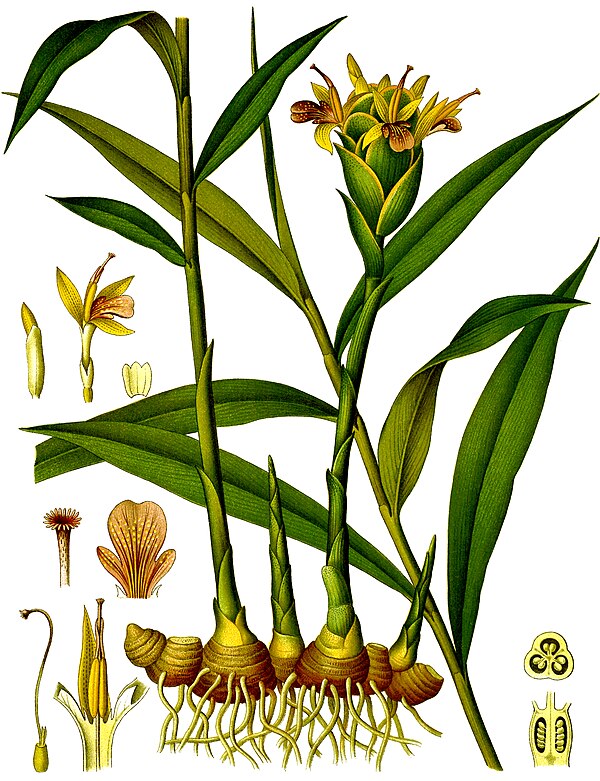
Photo: Wikimedia Commons
Best Planting Window for Mediterranean
- Jan -
- Feb -
- Mar -
- Apr -
- May -
- Jun -
- Jul -
- Aug -
- Sep -
- Oct P
- Nov P
- Dec -
P = Planting window
Plant pieces of rhizome with an eye in spring, in a warm, sheltered and humid spot or a large pot. Dig when the leaves yellow, and take young ginger earlier. Perth gives modest crops with regular water, and Adelaide really needs pots or a greenhouse.
Want a nudge when it is sowing time?
One email a week with what is worth planting in the Mediterranean zone right now, Ginger included, plus which veg has jumped in price at the supermarket. Free, and you can stop it in one click.
How to Grow Ginger in Mediterranean Australia
- Soil
- Rich, loose, well-drained soil high in organic matter. Ginger thrives in humus-rich loam that holds moisture but never becomes waterlogged. Raised beds or mounded rows work well. Add generous compost and aged manure before planting.
- Salt
- Moderately sensitive. Copes with a little salt, but the harvest drops on salty bore water.
- pH Range
- 5.5-6.5
- Sunlight
- Filtered light to part shade (3-6 hours direct sun). Full tropical sun can burn leaves and reduce yield. Ideal position is morning sun with afternoon shade, or dappled light under a tree canopy.
- Spacing
- 25cm apart, 40cm between rows
- Watering
- Regular, consistent moisture throughout the growing season. Ginger needs a moist (not wet) environment. Water 2-3 times per week in warm weather. Misting foliage in dry conditions benefits growth.
- Good companions
- Lemongrass, Sweet Potato, Banana, Coconut, Turmeric
- Keep away from
- Walnut trees (juglone toxicity)
- Grow before it
- Fruiting crops (Tomato, Capsicum, Zucchini)
- Grow after it
- Legumes (Beans - Dwarf, Peas, Broad Beans)
Give the bed 3 turns before root crops go back in. Roots fork and go leafy in fresh manure, so they take the bed after the heavy feeders have used it.
Mediterranean Growing Tips for Ginger
Recommended Varieties
- Common Ginger (container recommended)
- Myoga / Japanese Ginger
Key Challenges
- Dry summers needing consistent irrigation
- Cool winters limiting season
- Low humidity
Pro Tips
- Perth: grow in containers with regular watering and misting
- Adelaide Hills: sheltered north-facing spots can support in-ground ginger
- Myoga ginger is a better bet for Mediterranean zones. Cold hardy and drought tolerant once established
Pests and problems for Ginger in Mediterranean
- Bacterial Wilt Watch
- Aphids Watch
- Fusarium Yellows Use disease-free, preferably tissue-cultured planting material. Crop rotation. Avoid planting in known infected soil. Keep plants healthy... Watch
- Pythium Soft Rot Excellent drainage is critical. Raised beds or mounds. Never plant in waterlogged soil. Use disease-free planting material only. Practice... Watch
Harvesting Ginger
When ready: Leaves begin yellowing and drying from tips down, typically 8-10 months after planting. Baby ginger can be harvested from 4-5 months (green stems, pale skin, very tender). Mature ginger has tough, brown skin and more intense flavour.
How to harvest: For baby ginger: carefully dig at edges of clump, snapping off young rhizomes. For full harvest: cut back dead stems, fork out entire clump. Brush off soil. Do not wash if storing.
Storing and preserving ginger
How to keep it
- Fresh Storage (Refrigerator). Unpeeled ginger wrapped in paper towel, placed in a sealed plastic bag in the crisper drawer. Or place in a jar of dry sherry or rice wine in the fridge. Keeps: 3-4 weeks (paper towel method), 2-3 months (in sherry/wine).
- Freezing (Best Long-Term Method). Freeze whole, unpeeled rhizomes in freezer bags. Grate directly from frozen as needed. Frozen ginger grates easily and thaws in seconds. Or pre-grate, press into ice cube trays, freeze, then bag. Keeps: 12 months frozen.
- Dehydrating (Ground Ginger). Peel and slice thinly (2mm). Dehydrate at 55C for 6-10 hours until completely dry and brittle. Grind in spice grinder to powder. Keeps: 12 months in airtight container.
- Pickling (Gari, Sushi Ginger). Use baby ginger. Peel and slice paper-thin with mandoline. Salt slices (2 tsp per 250g), let sit 30 minutes, squeeze out liquid. Pack into clean jar. Cover with hot pickling liquid: 1 cup rice vinegar, 3 tbsp sugar, 1 tsp salt. Seal and refrigerate. Pink colour develops naturally from young ginger. Keeps: 6 months refrigerated.
- Crystallised / Candied Ginger. Peel and slice ginger 3mm thick. Simmer in water for 30 minutes until tender. Drain. Weigh ginger, add equal weight of sugar. Cook slowly until sugar crystallises on ginger and syrup is thick. Toss in extra sugar. Dry on rack. Keeps: 3-6 months in airtight container.
Grow vs buy
A 2.4 m × 1.2 m bed fits 12 plants, about $198 worth at today’s Coles and Woolworths prices, checked today.
That is roughly 6 kg at $33.00 a kilo.
Draw your ginger bed → No account needed.
What ginger costs in the shops right now, retailer by retailer, updated daily.
What members get
- Soil and weather from your nearest station
- An email when it's time to sow
- Your own garden plan, including planning from a photo
- Price history and price alerts
- Pest risk alerts for your area
- Full salt and canning detail
Common Questions About Ginger
When do you plant ginger in Australia?
It depends on your climate zone, not the calendar month alone. Planting months by zone:
- Tropical (Cairns): Sep to Nov
- Subtropical (Brisbane): Sep to Nov
- Warm Temperate (Sydney): Oct to Nov
- Cool Temperate (Melbourne): Sep to Nov
- Cold / Highland (Canberra): not recommended
- Arid / Semi-Arid (Alice Springs): Oct to Nov
- Mediterranean (Perth): Oct to Nov
When should I plant Ginger in Perth?
Plant pieces of rhizome with an eye in spring, in a warm, sheltered and humid spot or a large pot. Dig when the leaves yellow, and take young ginger earlier. Perth gives modest crops with regular water, and Adelaide really needs pots or a greenhouse.
What soil temperature do Ginger need?
Ginger germinate best when soil temperature is between 20°C and 30°C.
How do I know when Ginger are ready to harvest?
Leaves begin yellowing and drying from tips down, typically 8-10 months after planting. Baby ginger can be harvested from 4-5 months (green stems, pale skin, very tender). Mature ginger has tough, brown skin and more intense flavour.
What are the best Ginger varieties for Perth?
Recommended varieties for the Mediterranean zone include: Common Ginger (container recommended), Myoga / Japanese Ginger.
What grows well with Ginger?
Good companion plants for Ginger include: Lemongrass, Sweet Potato, Banana, Coconut, Turmeric.
Are ginger salt tolerant?
Only a little. Ginger are moderately sensitive to salt, so the harvest drops on salty bore water. Mix salty water with rainwater, and mulch the bed.
Which zone am I in?
Type your postcode into the box near the top of the page and it tells you, and links this crop in your own zone if it differs. Or look it up on the grow zone map. This page is the Mediterranean zone, Perth is its reference city.