
When to Plant Carrot in Sydney, Warm Temperate Guide
Sow August to April. Right now in September you can sow.
Grow Carrot in your space
- Planting window
- Year-round except mid-summer (December-January). Two prime windows: March-May (autumn) and August-October (spring).
- Days to harvest
- about 10 weeks
- Sunlight
- Full sun (6+ hours). Tolerates light afternoon shade in hot climates, which can actually improve root quality.
- Water needs
- Keep soil evenly moist but not waterlogged. Inconsistent watering causes cracking and...
- Spacing
- 5cm apart, 25cm between rows
- Soil pH
- 6.0-6.8
- Shop price
- $2.45/kg average
Published · Last reviewed · By GardenBuddy.au
Growing advice is reviewed by hand. Planting dates, current conditions and prices on this page update daily.
This Carrot guide is written for the Warm Temperate zone, which takes in Sydney, Newcastle and Wollongong. Somewhere else? Your postcode picks the right one.
Not your zone? Cairns Brisbane Melbourne Canberra Alice Springs Perth
Also handy: will it frost this week? and what grows in shade.
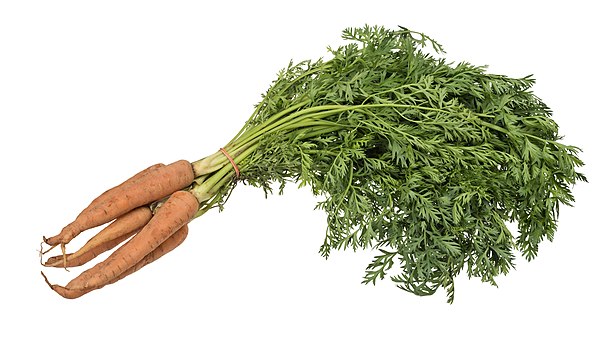
Photo: Wikimedia Commons
Carrots are Australia's most popular root vegetable and one of the most widely grown home garden crops. They demand loose, well-prepared soil and patience with germination but reward growers with sweet, crunchy roots. Direct sowing is essential. Carrots do not transplant. With the right variety selection, carrots can be grown in every Australian climate zone.
Planting Calendar for Warm Temperate
| Jan | Feb | Mar | Apr | May | Jun | Jul | Aug | Sep | Oct | Nov | Dec |
|---|---|---|---|---|---|---|---|---|---|---|---|
| D | D | D | D | - | - | - | D | D | D | D | D |
S = Seed Tray T = Transplant D = Direct Sow
Want a nudge when it is Carrot sowing time in Sydney?
One email a week with what is worth planting in the Warm Temperate zone right now, Carrot included, plus which veg has jumped in price at the supermarket. Free, and you can stop it in one click.
Current Growing Conditions
Soil temperature: 18.2°C (optimal range: 7–30°C) ✓ Ready to plant
Modelled from Open-Meteo forecast (Sydney), not a live sensor.
How to Grow Carrot in Warm Temperate Australia
When to Plant
Year-round except mid-summer (December-January). Two prime windows: March-May (autumn) and August-October (spring).
- Soil
- Deep, loose, sandy loam free of stones and clods. The single most important factor for straight carrots is soil preparation. Dig to at least 30cm and remove all rocks. Heavy clay must be heavily amended with coarse sand and compost, or use raised beds. Do NOT add fresh manure. Causes forked, hairy, split roots.
- pH Range
- 6.0-6.8
- Sunlight
- Full sun (6+ hours). Tolerates light afternoon shade in hot climates, which can actually improve root quality.
- Spacing
- 5cm apart, 25cm between rows
- Watering
- Keep soil evenly moist but not waterlogged. Inconsistent watering causes cracking and splitting. Water deeply 2-3 times per week. Reduce watering slightly in the last 2 weeks before harvest to...
Companion plants: Spring Onion, Leek, Rosemary, Sage, Chive, Lettuce
Avoid planting near: Dill, Parsnip, Celery (shares diseases), Fennel
Warm Temperate Growing Tips for Carrot
Recommended Varieties
- Nantes (Scarlet Nantes)
- Chantenay Red Core
- Baby (Amsterdam Forcing)
- Berlicum
- Western Red
Key Challenges
- Clay soils in western Sydney causing forking
- Hot January killing seedlings
- Cavity spot in wet winters
Pro Tips
- In Sydney clay soils: build raised beds at least 30cm deep filled with sandy loam
- Nantes types are the default. Reliable, sweet, and well-adapted to Sydney climate
- Chantenay works in shallower soils with its shorter, stocky root
Harvesting Carrot
When ready: Shoulder of carrot visible at soil surface, typically 2-3cm diameter for standard varieties. Foliage is still green and vigorous. Pull one test root to check size and colour development.
How to harvest: Loosen soil alongside row with garden fork before pulling. Grasp foliage close to crown and pull gently with a twist. In heavy soils, always fork first to avoid snapping roots. Twist off tops immediately after harvest.
Worth growing?
A 2.4 m × 1.2 m bed fits 115 plants, about $34 worth at today’s Aldi, Coles, IGA and Woolworths prices, checked on 20 September.
That is roughly 14 kg at $2.45 a kilo.
Draw your carrot bed → No account needed.
Common Carrot Pests in Warm Temperate Zones
Organic prevention (Carrot Rust Fly): Crop rotation. Avoid sowing near established carrot/parsley/celery crops. Remove all crop residues. Monitor with yellow sticky traps. AUSVEG maintains an incursion management plan for this exotic...
Where to next
Supermarket Price
Current average retail: $2.45/kg (12-month range: $1.49–$2.90)
Grow your own and save on grocery bills.
Get the Full Interactive Guide
Track your garden, get real-time pest alerts, and plan around your zone's weather.
Open the planting dashboard Join GardenBuddy.auCommon Questions About Carrot
When do you plant carrot in Australia?
It depends on your climate zone, not the calendar month alone. Planting months by zone:
- Tropical (Cairns): Apr to Jun
- Subtropical (Brisbane): Feb to Nov
- Warm Temperate (Sydney): Jan to Apr, Aug to Dec
- Cool Temperate (Melbourne): Jan to Apr, Aug to Dec
- Cold / Highland (Canberra): Jan to Mar, Sep to Dec
- Arid / Semi-Arid (Alice Springs): all year
- Mediterranean (Perth): Jan to Apr, Aug to Dec
Does carrot grow all year round in Sydney?
No. In the Warm Temperate zone the planting months are Jan to Apr, Aug to Dec. Outside that window it either bolts, sulks or gets cut down by the weather.
Which zone am I in?
Type your postcode into the box under the heading and the page tells you, and links this crop in your own zone if it differs. Or look it up on the grow zone map. This page is the Warm Temperate zone, Sydney is its reference city.