
When to Plant Carrot in Melbourne, Cool Temperate Guide
Soil temperature is modelled from Open-Meteo forecast (Melbourne), not a live sensor.
What this month normally looks like in Cool Temperate
In October the Cool Temperate zone normally runs 19°C by day and 8°C overnight, with about 67 mm of rain over 9 or 10 wet days. The coldest October night on record across the zone was -3.0°C, so a late frost is not out of the question. Averages 1991 to 2026, 28 postcodes, SILO.
Jump to section
This Carrot guide is written for the Cool Temperate zone, which takes in Melbourne, Hobart and Geelong. Somewhere else? Your postcode picks the right one.
Not your zone? Cairns Brisbane Sydney Canberra Alice Springs Perth
Also handy: will it frost this week? and what grows in shade.
- Planting window
- Sep to May
- Days to harvest
- about 10 weeks
- Sun
- Full sun to part shade
- Water
- Regular
- Spacing
- 5 cm apart
- Soil pH
- 6.0–6.8
- Shop price
- $2.10/kg
Carrots are Australia's most popular root vegetable and one of the most widely grown home garden crops. They demand loose, well-prepared soil and patience with germination but reward growers with sweet, crunchy roots.
Published · By GardenBuddy.au
Planting dates, current conditions and prices on this page update daily.
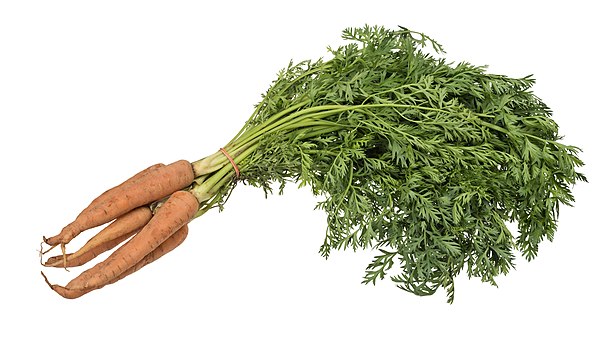
Photo: Wikimedia Commons
Planting Calendar for Cool Temperate
- Jan D
- Feb D
- Mar D
- Apr D
- May D
- Jun -
- Jul -
- Aug -
- Sep D
- Oct D
- Nov D
- Dec D
S = Seed Tray T = Transplant D = Direct Sow
Want a nudge when it is sowing time?
One email a week with what is worth planting in the Cool Temperate zone right now, Carrot included, plus which veg has jumped in price at the supermarket. Free, and you can stop it in one click.
How to Grow Carrot in Cool Temperate Australia
- Soil
- Deep, loose, sandy loam free of stones and clods. The single most important factor for straight carrots is soil preparation. Dig to at least 30cm and remove all rocks. Heavy clay must be heavily amended with coarse sand and compost, or use raised beds. Do NOT add fresh manure. Causes forked, hairy, split roots.
- Salt
- Sensitive. Struggles with salty bore water or salty soil. Give it rainwater if you can.
- pH Range
- 6.0-6.8
- Sunlight
- Full sun (6+ hours). Tolerates light afternoon shade in hot climates, which can actually improve root quality.
- Spacing
- 5cm apart, 25cm between rows
- Watering
- Keep soil evenly moist but not waterlogged. Inconsistent watering causes cracking and splitting. Water deeply 2-3 times per week. Reduce watering slightly in the last 2 weeks before harvest to concentrate flavour. Drip irrigation ideal.
- Good companions
- Radish (as trap crop for flea beetle), Dwarf Beans, Lettuce, Onion, Tomato
- Keep away from
- Burdock, Dill, Fennel, Parsnip (shares pests)
- Grow before it
- Fruiting crops (Tomato, Capsicum, Zucchini)
- Grow after it
- Legumes (Beans - Dwarf, Peas, Broad Beans)
Give the bed 3 turns before root crops go back in. Roots fork and go leafy in fresh manure, so they take the bed after the heavy feeders have used it.
Cool Temperate Growing Tips for Carrot
Recommended Varieties
- Nantes (Scarlet Nantes)
- Chantenay Red Core
- Amsterdam Forcing
- Manchester Table
Key Challenges
- Cold soil delaying germination
- Heavy clay soils in Melbourne suburbs
- Cavity spot and sclerotinia in wet winters
Pro Tips
- Melbourne gardeners: soil preparation is 90% of carrot success. Double-dig and amend clay
- February sowings mature slowly through autumn-winter and produce the sweetest carrots
- Cloche or frost cloth extends both ends of the season by 3-4 weeks
Pests and problems for Carrot in Cool Temperate
- Carrot Rust Fly High
- Root-knot Nematode Watch
- Curl grub (scarab beetle larvae) Watch
- Wireworms Watch
- Alternaria Leaf Blight Use disease-free seed. Hot water seed treatment (50C for 20 minutes) kills seed-borne spores. Crop rotation (3 years). Avoid overhead... Watch
- Sclerotinia Rot (White Mould) Good air circulation. Avoid overcrowding. Crop rotation (sclerotia persist in soil for years). Do not compost infected material... Watch
- Cavity spot and sclerotinia Cavity spot and sclerotinia in wet winters Watch
Organic prevention (Aphids (Carrot-Willow Aphid)): Avoid excess nitrogen. Maintain garden biodiversity. Plant alyssum and coriander nearby as habitat for beneficial insects.
Harvesting Carrot
When ready: Shoulder of carrot visible at soil surface, typically 2-3cm diameter for standard varieties. Foliage is still green and vigorous. Pull one test root to check size and colour development.
How to harvest: Loosen soil alongside row with garden fork before pulling. Grasp foliage close to crown and pull gently with a twist. In heavy soils, always fork first to avoid snapping roots. Twist off tops immediately after harvest.
Storing and preserving carrot
How to keep it
- Root Cellar / Sand Storage. Twist off tops (do not cut, cutting leaves a wound entry for rot). Do not wash. Layer in boxes of slightly damp sand, sawdust, or peat, with carrots not touching each other. Store at 0-4C with 90-95% humidity. Keeps: 4-6 months.
- Freezing. Wash, peel, and slice or dice. Blanch in boiling water for 2 minutes (diced) or 5 minutes (whole baby). Plunge into ice water. Drain, spread on tray, freeze, then bag. Keeps: 12 months frozen.
- Dehydrating. Wash, peel, slice thinly (3mm) or grate. Steam blanch 3 minutes. Spread on dehydrator trays. Dry at 55C for 6-10 hours until brittle. Excellent rehydrated in soups and stews. Keeps: 12 months in airtight container.
- Lacto-Fermentation. Grate or julienne raw carrots. Toss with 2% salt by weight. Pack tightly into jar, press down until brine covers carrots. Add optional ginger, chilli, garlic. Ferment at room temperature 5-7 days. Refrigerate. Keeps: 3-6 months refrigerated.
- Pickling. Peel and slice into sticks or coins. Pack into sterilised jars with dill, garlic, and mustard seeds. Pour boiling pickling brine (1 part vinegar, 1 part water, 2 tbsp sugar, 1 tbsp salt per litre). Seal and water bath process for 10 minutes. Keeps: 12 months (sealed).
Canning safety. Low-acid vegetables like carrot must be pressure canned, never water-bath canned.
Grow vs buy
A 2.4 m × 1.2 m bed fits 115 plants, about $29 worth at today’s Aldi, Coles and Woolworths prices, checked today.
That is roughly 14 kg at $2.10 a kilo.
Draw your carrot bed → No account needed.
What carrot costs in the shops right now, retailer by retailer, updated daily.
What members get
- Soil and weather from your nearest station
- An email when it's time to sow
- Your own garden plan, including planning from a photo
- Price history and price alerts
- Pest risk alerts for your area
- Full salt and canning detail
Common Questions About Carrot
When do you plant carrot in Australia?
It depends on your climate zone, not the calendar month alone. Planting months by zone:
- Tropical (Cairns): Mar to Jul
- Subtropical (Brisbane): Mar to Aug
- Warm Temperate (Sydney): Jan to Apr, Aug to Dec
- Cool Temperate (Melbourne): Jan to May, Sep to Dec
- Cold / Highland (Canberra): Jan to Mar, Sep to Dec
- Arid / Semi-Arid (Alice Springs): Feb to Sep
- Mediterranean (Perth): all year
Can you grow carrot all year round in Melbourne?
No. In the Cool Temperate zone the planting months are Jan to May, Sep to Dec. Outside that window it either bolts, sulks or gets cut down by the weather.
When should I plant Carrot in Melbourne?
Sow from September to May. Pre-warm the soil with black plastic for early spring sowings. Autumn sowings mature slowly through the cool months and give very sweet roots.
What soil temperature do Carrot need?
Carrot germinate best when soil temperature is between 7°C and 30°C.
How do I know when Carrot are ready to harvest?
Shoulder of carrot visible at soil surface, typically 2-3cm diameter for standard varieties. Foliage is still green and vigorous. Pull one test root to check size and colour development.
What are the best Carrot varieties for Melbourne?
Recommended varieties for the Cool Temperate zone include: Nantes (Scarlet Nantes), Chantenay Red Core, Amsterdam Forcing, Manchester Table.
What grows well with Carrot?
Good companion plants for Carrot include: Radish, Dwarf Beans, Lettuce, Onion, Tomato.
Are carrot salt tolerant?
No. Carrot are salt-sensitive, one of the more sensitive veggies. Use rainwater if your bore water is salty, or grow them in a raised bed of fresh mix if your soil is.
Which zone am I in?
Type your postcode into the box near the top of the page and it tells you, and links this crop in your own zone if it differs. Or look it up on the grow zone map. This page is the Cool Temperate zone, Melbourne is its reference city.