
When to Plant Cabbage in Cairns, Tropical Guide
Soil temperature is modelled from Open-Meteo forecast (Cairns), not a live sensor.
What this month normally looks like in Tropical
In October the Tropical zone normally runs 34°C by day and 23°C overnight, with about 53 mm of rain over 5 or 6 wet days. Averages 1991 to 2026, 37 postcodes, SILO.
Jump to section
This Cabbage guide is written for the Tropical zone, which takes in Cairns, Townsville and Darwin. Somewhere else? Your postcode picks the right one.
Not your zone? Brisbane Sydney Melbourne Canberra Alice Springs Perth
Also handy: will it frost this week? and what grows in shade.
- Planting window
- Apr to Sep
- Days to harvest
- about 10 weeks
- Sun
- Full sun to part shade
- Water
- Regular
- Spacing
- 50 cm apart
- Soil pH
- 6.0–7.5
Cabbage is a cool-season brassica staple available in green, red, savoy, and conical forms. It grows well across all Australian climate zones when planted in the correct season.
Published · By GardenBuddy.au
Planting dates, current conditions and prices on this page update daily.
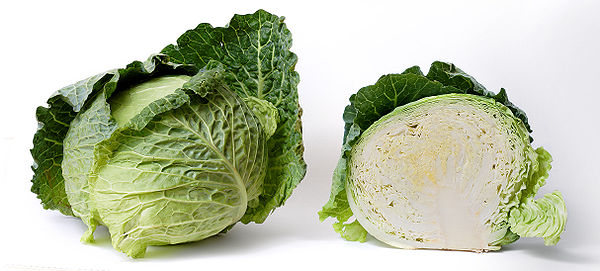
Photo: Wikimedia Commons
Planting Calendar for Tropical
- Jan -
- Feb -
- Mar -
- Apr S
- May S/T
- Jun S/T
- Jul S/T
- Aug S/T
- Sep T
- Oct -
- Nov -
- Dec -
S = Seed Tray T = Transplant D = Direct Sow
Want a nudge when it is sowing time?
One email a week with what is worth planting in the Tropical zone right now, Cabbage included, plus which veg has jumped in price at the supermarket. Free, and you can stop it in one click.
How to Grow Cabbage in Tropical Australia
- Soil
- Rich, firm, well-drained soil with heavy compost and aged manure. Cabbage needs solid soil structure for head formation; loose sandy soils produce loose heads.
- Salt
- Moderately sensitive. Copes with a little salt, but the harvest drops on salty bore water.
- pH Range
- 6.0-7.5
- Sunlight
- Full sun (6-8 hours minimum). Part shade tolerated in subtropical/tropical zones.
- Spacing
- 50cm apart, 60cm between rows
- Watering
- Deep, consistent watering 2-3 times per week. Inconsistent watering causes split heads. Drip irrigation ideal. Avoid overhead watering to reduce disease. Reduce water as heads firm up to prevent splitting.
- Good companions
- Nasturtium (trap crop), Dwarf Beans, Onion, Cucumber, Dill
- Keep away from
- Garden Cress, Grape, Lemongrass, Peach, Pear, Strawberry, Tomato
- Grow before it
- Legumes (Beans - Dwarf, Peas, Broad Beans)
- Grow after it
- Fruiting crops (Tomato, Capsicum, Zucchini)
Give the bed 3 turns before brassicas go back in. The cabbage family is hungry for nitrogen and shares club root and other soil diseases.
Tropical Growing Tips for Cabbage
Recommended Varieties
- Sugarloaf (heat tolerant)
- K-K Cross (heat tolerant)
- Green Coronet
- Wong Bok (Chinese cabbage as alternative)
Key Challenges
- Extreme pest pressure (diamondback moth year-round)
- Humidity causes fungal diseases
- Head formation poor in high heat
Pro Tips
- Insect netting is non-negotiable in the tropics. Without it, expect total crop loss to caterpillars
- Grow Sugarloaf types rather than drumhead; they tolerate warmth better
- Raise beds for drainage during late wet season
Pests and problems for Cabbage in Tropical
- Bacterial Spot Watch
- Helicoverpa / Corn Earworm / Tomato Grub Watch
- Diamondback Moth Extreme pest pressure (diamondback moth year-round) Watch
- Cabbage White Butterfly Watch
- Damping Off Watch
- Fusarium Wilt Watch
- Clubroot Lime soil to pH 7.0-7.2 before planting. Ensure excellent drainage. Raise beds. Buy disease-free seedlings. Do not share soil or tools from... Watch
- Downy Mildew Avoid overhead watering. Water in morning. Space plants for airflow. Remove crop residues. Grow resistant varieties where available. Watch
- Humidity causes fungal diseases Humidity causes fungal diseases Watch
Harvesting Cabbage
When ready: Head is firm and solid when squeezed. Outer leaves may begin to yellow or flare outward. Head has reached expected size for variety. Drum-like sound when tapped.
How to harvest: Cut head at base with sharp knife, leaving 4-6 outer wrapper leaves. Leave stump in ground; it may produce small secondary heads. Harvest in cool of morning.
Storing and preserving cabbage
How to keep it
- Sauerkraut (Fermentation). Shred cabbage finely. Add 20g fine salt per kg of cabbage. Massage until juices release. Pack tightly into clean jar, pressing down until brine covers cabbage. Weight down with smaller jar or zip-lock bag of brine. Cover loosely. Ferment at 18-22C for 2-6 weeks, tasting weekly. Refrigerate when flavour is to your liking. Keeps: 6-12 months refrigerated (continues to slowly ferment).
- Freezing. Shred or chop cabbage. Blanch in boiling water for 90 seconds. Plunge into ice bath. Drain thoroughly. Pack into freezer bags, removing air. Freeze flat. Keeps: 10-12 months.
- Dehydrating. Shred cabbage thinly. Blanch 1-2 minutes, cool, drain well. Spread on dehydrator trays. Dry at 55C for 8-12 hours until brittle. Store in airtight containers. Rehydrate in warm water for 20 minutes before use. Keeps: 6-12 months.
- Kimchi. Quarter cabbage, salt heavily, and soak 2-12 hours. Rinse well. Make paste of gochugaru (Korean chilli flakes), fish sauce, garlic, ginger, sugar. Mix with cabbage and other vegetables (radish, spring onion). Pack into jars. Ferment 2-5 days at room temperature, then refrigerate. Keeps: 3-6 months refrigerated.
What cabbage costs in the shops right now, retailer by retailer, updated daily.
What members get
- Soil and weather from your nearest station
- An email when it's time to sow
- Your own garden plan, including planning from a photo
- Price history and price alerts
- Pest risk alerts for your area
- Full salt and canning detail
Common Questions About Cabbage
When do you plant cabbage in Australia?
It depends on your climate zone, not the calendar month alone. Planting months by zone:
- Tropical (Cairns): Apr to Sep
- Subtropical (Brisbane): Feb to Aug
- Warm Temperate (Sydney): Jan to Sep
- Cool Temperate (Melbourne): Jan to Mar, Aug to Dec
- Cold / Highland (Canberra): Jan to Mar, Aug to Dec
- Arid / Semi-Arid (Alice Springs): Jan to Jul
- Mediterranean (Perth): Jan to Sep
Can you grow cabbage all year round in Cairns?
No. In the Tropical zone the planting months are Apr to Sep. Outside that window it either bolts, sulks or gets cut down by the weather.
When should I plant Cabbage in Cairns?
Sow in trays from April to August, in the dry season, and plant out from May to September. Cabbages are a marginal crop in the tropics, so choose fast-maturing varieties (10 to 12 weeks).
What soil temperature do Cabbage need?
Cabbage germinate best when soil temperature is between 5°C and 30°C.
How do I know when Cabbage are ready to harvest?
Head is firm and solid when squeezed. Outer leaves may begin to yellow or flare outward. Head has reached expected size for variety. Drum-like sound when tapped.
What are the best Cabbage varieties for Cairns?
Recommended varieties for the Tropical zone include: Sugarloaf (heat tolerant), K-K Cross (heat tolerant), Green Coronet, Wong Bok (Chinese cabbage as alternative).
What grows well with Cabbage?
Good companion plants for Cabbage include: Nasturtium, Dwarf Beans, Onion, Cucumber, Dill.
Are cabbage salt tolerant?
Only a little. Cabbage are moderately sensitive to salt, so the harvest drops on salty bore water. Mix salty water with rainwater, and mulch the bed.
Which zone am I in?
Type your postcode into the box near the top of the page and it tells you, and links this crop in your own zone if it differs. Or look it up on the grow zone map. This page is the Tropical zone, Cairns is its reference city.