
When to Plant Mango in Brisbane, Subtropical Guide
What this month normally looks like in Subtropical
In October the Subtropical zone normally runs 27°C by day and 15°C overnight, with about 77 mm of rain over 7 wet days. The coldest October night on record across the zone was -0.2°C, so a late frost is not out of the question. Averages 1991 to 2026, 33 postcodes, SILO.
Jump to section
This Mango guide is written for the Subtropical zone, which takes in Brisbane, the Gold Coast and the Sunshine Coast. Somewhere else? Your postcode picks the right one.
Not your zone? Cairns Sydney Melbourne Canberra Alice Springs Perth
Also handy: will it frost this week? and what grows in shade.
- Planting window
- Sep to Nov
- Sun
- Full sun
- Soil pH
- 5.5–7.0
The king of tropical fruits. Large evergreen tree that is strictly tropical to subtropical in Australia. Needs dry winters for flowering and fruit set.
Published · By GardenBuddy.au
Planting dates, current conditions and prices on this page update daily.
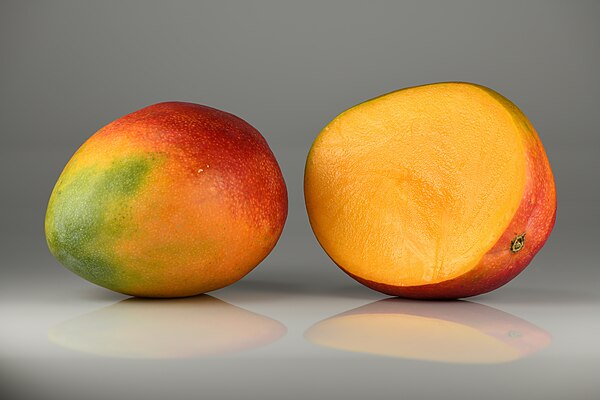
Photo: Wikimedia Commons
Best Planting Window for Subtropical
- Jan -
- Feb -
- Mar -
- Apr -
- May -
- Jun -
- Jul -
- Aug -
- Sep P
- Oct P
- Nov P
- Dec -
P = Planting window
Mangoes in the south of the state ripen late in the season, December to March. Plant grafted trees in spring once the soil warms.
Want a nudge when it is sowing time?
One email a week with what is worth planting in the Subtropical zone right now, Mango included, plus which veg has jumped in price at the supermarket. Free, and you can stop it in one click.
How to Grow Mango in Subtropical Australia
- Soil
- Deep, well-drained soil. Tolerates poor soils but performs best in fertile loam. Cannot tolerate waterlogging.
- Salt
- Sensitive. Struggles with salty bore water or salty soil. Give it rainwater if you can.
- pH Range
- 5.5-7.0
- Sunlight
- Full sun, maximum heat. Warm north-facing position essential in southern limit of range.
- Good companions
- Sweet Potato
- Keep away from
- Buildings (large root system), Other mangoes too close (fungal spread)
Subtropical Growing Tips for Mango
Recommended Varieties
- Kensington Pride
- R2E2
- Calypso
- Honey Gold
Key Challenges
- Cold during flowering (July-September) reduces fruit set
- Anthracnose in wet springs
- Fruit fly
- Trees need warmest microclimate
Pro Tips
- SEQ is the southern limit for reliable mango production.
- North-facing position with heat reflection from a wall or paved area.
- Flowering occurs in winter-spring when frosts or cold rain can wipe out crop.
Pests and problems for Mango in Subtropical
Harvesting Mango
When ready: Skin colour changes (variety-specific: KP turns yellow-orange with red blush, R2E2 turns red-yellow). Stem end becomes slightly rounded. Aroma develops. Fruit gives slightly when gently squeezed. Can harvest at 'hard ripe' (full colour but firm) and ripen at room temperature.
How to harvest: Cut stem with secateurs leaving 2-3cm stub (sap squirts and burns skin). Place stem-down on newspaper for 24 hours to drain sap. WEAR GLOVES - mango sap causes dermatitis.
Storing and preserving mango
How to keep it
- Freezing (cheeks). Slice cheeks, dice or puree. Freeze flat in zip-lock bags. Keeps: 6-12 months.
- Dehydrating. Slice cheeks into 5mm strips. Dehydrate at 55°C for 10-14 hours until leathery. Keeps: 6-12 months.
- Mango chutney. Dice slightly underripe mango, cook with vinegar, sugar, spices (ginger, mustard seeds, chilli). Simmer until thick. Jar hot. Keeps: 12 months.
- Mango leather. Puree mango, spread thin on dehydrator sheets, dry at 55°C for 8-12 hours until peelable. Keeps: 6 months.
What mango costs in the shops right now, retailer by retailer, updated daily.
What members get
- Soil and weather from your nearest station
- An email when it's time to sow
- Your own garden plan, including planning from a photo
- Price history and price alerts
- Pest risk alerts for your area
- Full salt and canning detail
Common Questions About Mango
When do you plant mango in Australia?
It depends on your climate zone, not the calendar month alone. Planting months by zone:
- Tropical (Cairns): Oct to Dec
- Subtropical (Brisbane): Sep to Nov
- Warm Temperate (Sydney): Oct to Nov
- Cool Temperate (Melbourne): not recommended
- Cold / Highland (Canberra): not recommended
- Arid / Semi-Arid (Alice Springs): Sep to Nov
- Mediterranean (Perth): Oct to Dec
When should I plant Mango in Brisbane?
Mangoes in the south of the state ripen late in the season, December to March. Plant grafted trees in spring once the soil warms.
How do I know when Mango are ready to harvest?
Skin colour changes (variety-specific: KP turns yellow-orange with red blush, R2E2 turns red-yellow). Stem end becomes slightly rounded. Aroma develops. Fruit gives slightly when gently squeezed. Can harvest at 'hard ripe' (full colour but firm) and ripen at room temperature.
What are the best Mango varieties for Brisbane?
Recommended varieties for the Subtropical zone include: Kensington Pride, R2E2, Calypso, Honey Gold.
What grows well with Mango?
Good companion plants for Mango include: Sweet Potato.
Are mango salt tolerant?
No. Mango are salt-sensitive, one of the more sensitive veggies. Use rainwater if your bore water is salty, or grow them in a raised bed of fresh mix if your soil is.
Which zone am I in?
Type your postcode into the box near the top of the page and it tells you, and links this crop in your own zone if it differs. Or look it up on the grow zone map. This page is the Subtropical zone, Brisbane is its reference city.