
When to Plant Chives in Brisbane, Subtropical Guide
That soil figure is read off our own weather station in South East Queensland at 21:55 yesterday, not a model.
What this month normally looks like in Subtropical
In October the Subtropical zone normally runs 27°C by day and 15°C overnight, with about 77 mm of rain over 7 wet days. The coldest October night on record across the zone was -0.2°C, so a late frost is not out of the question. Averages 1991 to 2026, 33 postcodes, SILO.
Jump to section
This Chives guide is written for the Subtropical zone, which takes in Brisbane, the Gold Coast and the Sunshine Coast. Somewhere else? Your postcode picks the right one.
Not your zone? Cairns Sydney Melbourne Canberra Alice Springs Perth
Also handy: will it frost this week? and what grows in shade.
- Planting window
- All year
- Days to harvest
- 60 days
- Sun
- Full sun to part shade
- Water
- Regular
- Spacing
- 15 cm apart
- Soil pH
- 6.0–7.0
One of the most reliable and forgiving herbs in the Australian garden. Perennial clumping herb with mild onion-flavoured hollow leaves and edible purple pompom flowers. Grows in all 7 Australian zones with minimal fuss.
Published · By GardenBuddy.au
Planting dates, current conditions and prices on this page update daily.
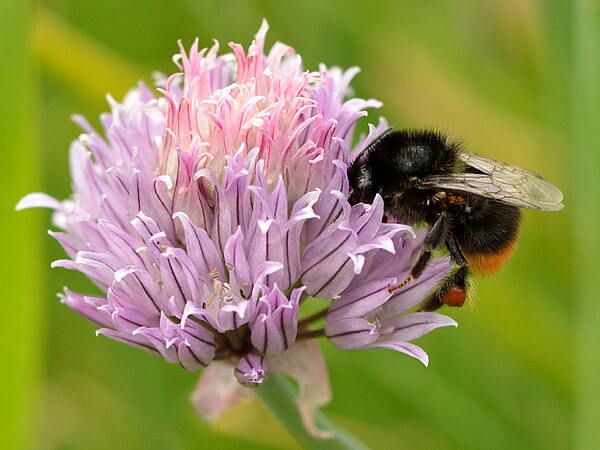
Photo: Wikimedia Commons
Planting Calendar for Subtropical
- Jan S/T/D
- Feb S/T/D
- Mar S/T/D
- Apr S/T/D
- May S/T/D
- Jun S/T/D
- Jul S/T/D
- Aug S/T/D
- Sep S/T/D
- Oct S/T/D
- Nov S/T/D
- Dec S/T/D
S = Seed Tray T = Transplant D = Direct Sow
You can sow chives in any month in Subtropical, but the months are not equal. Summer heat brings faster bolting and heavier pest pressure, so pick a heat tolerant variety, sow little and often, and give afternoon shade from December through February.
Want a nudge when it is sowing time?
One email a week with what is worth planting in the Subtropical zone right now, Chives included, plus which veg has jumped in price at the supermarket. Free, and you can stop it in one click.
How to Grow Chives in Subtropical Australia
- Soil
- Rich, well-drained soil with compost. Tolerates most soil types.
- Salt
- Moderately sensitive. Copes with a little salt, but the harvest drops on salty bore water.
- pH Range
- 6.0-7.0
- Sunlight
- Full sun to part shade. Tolerates more shade than most herbs.
- Spacing
- 15cm apart, 25cm between rows
- Watering
- Regular watering, especially in pots. Tolerates some drought but leaves become tough and hollow when stressed. Keep soil consistently moist but not waterlogged.
- Good companions
- Lettuce, Tomato, Carrot, Blueberry, Parsley
- Keep away from
- Peas, Snow Peas (Gardenate lists chives under plants to keep apart from snow peas (no reason given).)
Subtropical Growing Tips for Chives
Recommended Varieties
- Common chives
- Garlic chives
Key Challenges
- Rust in humid summers
- Heat stress
Pro Tips
- Nearly indestructible in this zone
- Divide clumps in autumn for vigour
- Use flowers in salads, they're delicious
Pests and problems for Chives in Subtropical
- Fungal Spots and Aphids Moderate
- Rust Divide clumps every 2-3 years to prevent overcrowding. Avoid overhead watering. Good hygiene, remove dead leaves. Watch
Organic prevention (Aphids (Onion aphid)): Good air circulation. Avoid overwatering. Healthy plants resist aphids.
Harvesting Chives
When ready: Harvest when leaves are 15cm+ tall. Use scissors to cut to 2-3cm above soil level.
How to harvest: Cut entire clump to 2-3cm with sharp scissors. Leaves regrow in 2-3 weeks. Do not pick individual leaves. Cutting the whole clump promotes even regrowth.
Storing and preserving chives
How to keep it
- Freezing (chopped). Snip chives finely with scissors. Spread on tray, freeze, then transfer to bags. Or pack into ice cube trays with water. Keeps: 6 months frozen.
- Freeze-drying / Dehydrating. Snip finely, dehydrate at 35C for 2-4 hours until crisp. Store in airtight jar. Retains colour well. Keeps: 12 months.
- Chive butter. Blend 250g softened butter with 1 cup finely snipped chives, pinch of salt and squeeze of lemon. Roll in cling wrap. Refrigerate or freeze. Keeps: 2 weeks refrigerated, 3 months frozen.
- Chive flower vinegar. Pack chive flowers into sterilised jar. Cover with white wine vinegar. Seal and store 2 weeks. Vinegar turns beautiful pink. Strain and bottle. Keeps: 12 months.
What chives costs in the shops right now, retailer by retailer, updated daily.
What members get
- Soil and weather from your nearest station
- An email when it's time to sow
- Your own garden plan, including planning from a photo
- Price history and price alerts
- Pest risk alerts for your area
- Full salt and canning detail
Common Questions About Chives
When do you plant chives in Australia?
It depends on your climate zone, not the calendar month alone. Planting months by zone:
- Tropical (Cairns): Mar to Jul
- Subtropical (Brisbane): all year
- Warm Temperate (Sydney): Jan to May, Aug to Dec
- Cool Temperate (Melbourne): Jan to Apr, Sep to Dec
- Cold / Highland (Canberra): Jan to Apr, Sep to Dec
- Arid / Semi-Arid (Alice Springs): Mar to May, Aug to Nov
- Mediterranean (Perth): Mar to May, Aug to Oct
Can you grow chives all year round in Brisbane?
Yes, every month is on the calendar for the Subtropical zone, though not every month is equally easy. Plant year-round, although March to November is best. Growth may slow in midsummer heat.
When should I plant Chives in Brisbane?
Plant year-round, although March to November is best. Growth may slow in midsummer heat.
What soil temperature do Chives need?
Chives germinate best when soil temperature is between 10°C and 30°C.
How do I know when Chives are ready to harvest?
Harvest when leaves are 15cm+ tall. Use scissors to cut to 2-3cm above soil level.
What are the best Chives varieties for Brisbane?
Recommended varieties for the Subtropical zone include: Common chives, Garlic chives.
What grows well with Chives?
Good companion plants for Chives include: Lettuce, Tomato, Carrot, Blueberry, Parsley.
Are chives salt tolerant?
Only a little. Chives are moderately sensitive to salt, so the harvest drops on salty bore water. Mix salty water with rainwater, and mulch the bed.
Which zone am I in?
Type your postcode into the box near the top of the page and it tells you, and links this crop in your own zone if it differs. Or look it up on the grow zone map. This page is the Subtropical zone, Brisbane is its reference city.