When to Plant Artichokes in Brisbane, Subtropical Guide
Also called globe artichoke.
That soil figure is read off our own weather station in South East Queensland at 21:55 yesterday, not a model.
What this month normally looks like in Subtropical
In October the Subtropical zone normally runs 27°C by day and 15°C overnight, with about 77 mm of rain over 7 wet days. The coldest October night on record across the zone was -0.2°C, so a late frost is not out of the question. Averages 1991 to 2026, 33 postcodes, SILO.
Jump to section
This Artichokes guide is written for the Subtropical zone, which takes in Brisbane, the Gold Coast and the Sunshine Coast. Somewhere else? Your postcode picks the right one.
Not your zone? Cairns Sydney Melbourne Canberra Alice Springs Perth
Also handy: will it frost this week? and what grows in shade.
- Planting window
- Mar to Aug
- Days to harvest
- about 52 weeks
- Sun
- Full sun
- Water
- Regular
- Spacing
- 100 cm apart
- Soil pH
- 6.5–7.5
Globe artichokes are large, thistle-like perennials originating from the Mediterranean. They produce edible flower buds over a 4-5 year productive lifespan.
Published · By GardenBuddy.au
Planting dates, current conditions and prices on this page update daily.
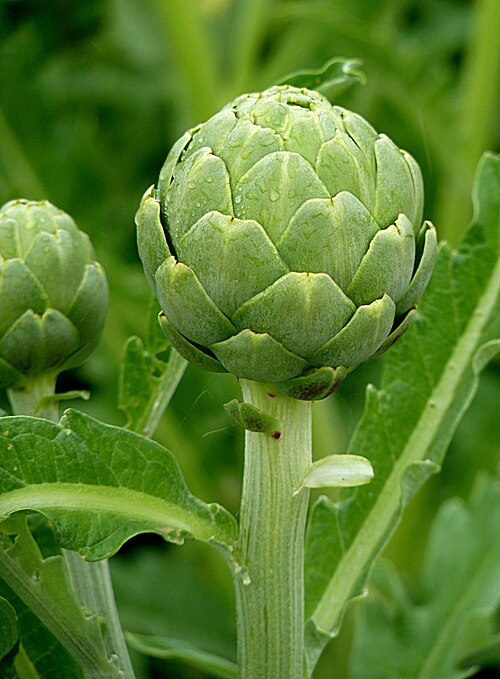
Photo: Wikimedia Commons
Planting Calendar for Subtropical
- Jan -
- Feb -
- Mar S
- Apr S/T
- May T
- Jun ✓
- Jul ✓
- Aug ✓
- Sep -
- Oct -
- Nov -
- Dec -
S = Seed Tray T = Transplant D = Direct Sow
Want a nudge when it is sowing time?
One email a week with what is worth planting in the Subtropical zone right now, Artichokes included, plus which veg has jumped in price at the supermarket. Free, and you can stop it in one click.
How to Grow Artichokes in Subtropical Australia
- Soil
- Well-drained, deep, fertile sandy loam enriched with compost and aged manure
- Salt
- Moderately tolerant. Handles slightly salty water better than most veggies.
- pH Range
- 6.5-7.5
- Sunlight
- Full sun (minimum 6 hours direct)
- Spacing
- 100cm apart, 150cm between rows
- Watering
- Deep watering twice weekly during bud development. Reduce in winter dormancy. Consistent moisture is critical during bud formation or buds will be small and tough.
- Good companions
- Sunflower, French tarragon
- Keep away from
- Other Asteraceae competing for nutrients
Subtropical Growing Tips for Artichokes
Recommended Varieties
- Green Globe Improved
- Imperial Star (bred for mild winters)
- Violetto di Romagna
Key Challenges
- Marginal winter chill
- Summer humidity causing crown rot
- Erratic bud production
Pro Tips
- Imperial Star is the only reliable variety for SEQ without a cold winter
- Treat as an annual or biennial rather than a long-lived perennial
- Excellent drainage is non-negotiable. Raised beds strongly recommended
Pests and problems for Artichokes in Subtropical
- Common Garden Snail Watch
- Slugs Watch
- Botrytis Rot (Grey Mould) Space plants generously for airflow. Harvest buds promptly when ready. Avoid overhead irrigation. Remove all spent foliage at season end. Watch
- Crown Rot Plant in raised beds with excellent drainage. Avoid overwatering in winter. Pull mulch back from crown base during wet periods. Choose... Watch
Harvesting Artichokes
When ready: Buds should be tight, compact, and heavy for their size. Bracts (scales) should still be tightly closed. The main central bud is harvested first at about 8-10cm diameter, which promotes development of smaller side buds.
How to harvest: Cut stem 5-8cm below the bud with sharp secateurs. Harvest in the morning. Once bracts start to open or turn purple at tips, the bud is past prime and will be tough and fibrous.
Storing and preserving artichokes
How to keep it
- Freezing. Trim artichokes, remove tough outer leaves and choke. Cut into quarters or leave baby artichokes whole. Blanch in boiling water with lemon juice for 3-5 minutes (depending on size). Ice bath immediately. Drain well, pat dry, spread on tray to flash-freeze, then transfer to freezer bags. Keeps: 6-8 months.
- Marinated in Oil (Antipasto Style). Trim and quarter artichoke hearts. Simmer in a mix of 2 parts white wine vinegar, 1 part water with salt for 5 minutes. Drain well and pack into sterilised jars with garlic, herbs (oregano, thyme), peppercorns. Cover completely with olive oil. Seal and refrigerate. Keeps: 3-4 weeks refrigerated. For longer storage, process sealed jars in boiling water bath for 15 minutes (6-12 months shelf stable)..
- Pickled. Prepare artichoke hearts. Bring 500ml white vinegar, 500ml water, 2 tbsp salt and 1 tbsp sugar to boil. Pack hearts into hot sterilised jars, pour over hot brine, leaving 1cm headspace. Process in boiling water bath for 15 minutes. Keeps: 12 months sealed in cool dark place.
What members get
- Soil and weather from your nearest station
- An email when it's time to sow
- Your own garden plan, including planning from a photo
- Price history and price alerts
- Pest risk alerts for your area
- Full salt and canning detail
Common Questions About Artichokes
When do you plant artichokes in Australia?
It depends on your climate zone, not the calendar month alone. Planting months by zone:
- Tropical (Cairns): not recommended
- Subtropical (Brisbane): Mar to Aug
- Warm Temperate (Sydney): May to Nov
- Cool Temperate (Melbourne): Aug to Nov
- Cold / Highland (Canberra): Aug to Nov
- Arid / Semi-Arid (Alice Springs): Mar to Apr, Aug to Oct
- Mediterranean (Perth): Mar to Aug
Can you grow artichokes all year round in Brisbane?
No. In the Subtropical zone the planting months are Mar to Aug. Outside that window it either bolts, sulks or gets cut down by the weather.
What else is artichokes called?
Artichokes is the usual Australian name. Overseas seed packets and recipes call it globe artichoke. Same plant, same growing advice.
When should I plant Artichokes in Brisbane?
Plant suckers in winter on raised beds or mounds, because wet, humid summers cause rot. Mild winters give patchy budding, so choose low-chill types such as Imperial Star and expect a spring crop.
What soil temperature do Artichokes need?
Artichokes germinate best when soil temperature is between 15°C and 20°C.
How do I know when Artichokes are ready to harvest?
Buds should be tight, compact, and heavy for their size. Bracts (scales) should still be tightly closed. The main central bud is harvested first at about 8-10cm diameter, which promotes development of smaller side buds.
What are the best Artichokes varieties for Brisbane?
Recommended varieties for the Subtropical zone include: Green Globe Improved, Imperial Star (bred for mild winters), Violetto di Romagna.
What grows well with Artichokes?
Good companion plants for Artichokes include: Sunflower, French tarragon.
Are artichokes salt tolerant?
Fairly. Artichokes are moderately tolerant of salt and handle slightly salty water better than most veggies.
Which zone am I in?
Type your postcode into the box near the top of the page and it tells you, and links this crop in your own zone if it differs. Or look it up on the grow zone map. This page is the Subtropical zone, Brisbane is its reference city.