
When to Plant Beetroot in Brisbane, Subtropical Guide
Also called beet.
That soil figure is read off our own weather station in South East Queensland at 21:55 yesterday, not a model.
What this month normally looks like in Subtropical
In October the Subtropical zone normally runs 27°C by day and 15°C overnight, with about 77 mm of rain over 7 wet days. The coldest October night on record across the zone was -0.2°C, so a late frost is not out of the question. Averages 1991 to 2026, 33 postcodes, SILO.
Jump to section
This Beetroot guide is written for the Subtropical zone, which takes in Brisbane, the Gold Coast and the Sunshine Coast. Somewhere else? Your postcode picks the right one.
Not your zone? Cairns Sydney Melbourne Canberra Alice Springs Perth
Also handy: will it frost this week? and what grows in shade.
- Planting window
- All year
- Days to harvest
- 55 days
- Sun
- Full sun to part shade
- Water
- Regular
- Spacing
- 10 cm apart
- Soil pH
- 6.0–7.5
- Shop price
- $10.48/kg
Beetroot is one of the easiest root vegetables for Australian home gardeners, tolerant of a wide range of climates and soils. It produces both edible roots and nutritious greens, making it a dual-purpose crop.
Published · By GardenBuddy.au
Planting dates, current conditions and prices on this page update daily.
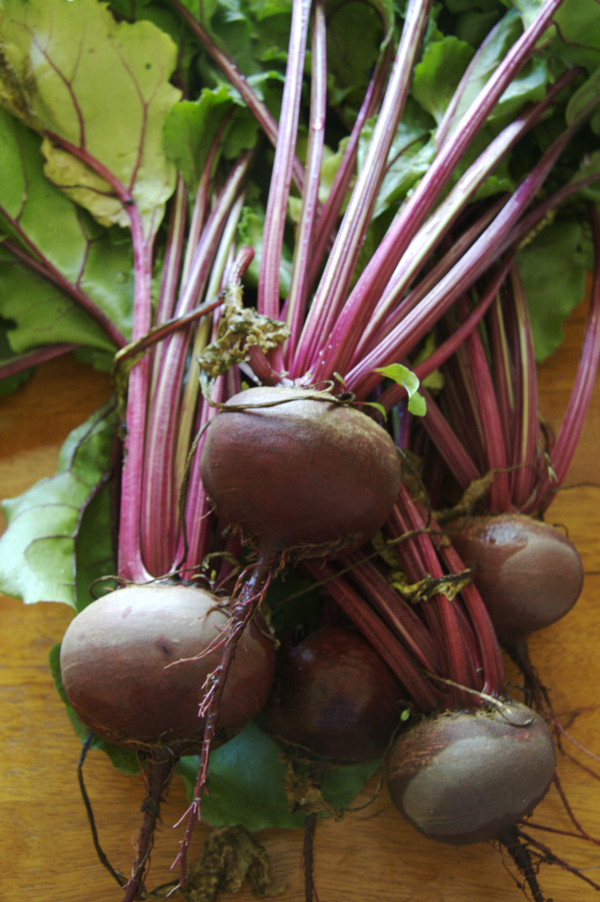
Photo: Wikimedia Commons
Planting Calendar for Subtropical
- Jan S/T/D
- Feb S/T/D
- Mar S/T/D
- Apr S/T/D
- May S/T/D
- Jun S/T/D
- Jul S/T/D
- Aug S/T/D
- Sep S/T/D
- Oct S/T/D
- Nov S/T/D
- Dec S/T/D
S = Seed Tray T = Transplant D = Direct Sow
You can sow beetroot in any month in Subtropical, but the months are not equal. Summer heat brings faster bolting and heavier pest pressure, so pick a heat tolerant variety, sow little and often, and give afternoon shade from December through February.
Want a nudge when it is sowing time?
One email a week with what is worth planting in the Subtropical zone right now, Beetroot included, plus which veg has jumped in price at the supermarket. Free, and you can stop it in one click.
How to Grow Beetroot in Subtropical Australia
- Soil
- Well-drained, loose loam or sandy loam enriched with compost. Avoid heavy clay unless amended. Do NOT add fresh manure. It causes forked, hairy roots.
- Salt
- Moderately tolerant. Handles slightly salty water better than most veggies.
- pH Range
- 6.0-7.5
- Sunlight
- Full sun (6+ hours). Tolerates light afternoon shade in hot climates.
- Spacing
- 10cm apart, 30cm between rows
- Watering
- Consistent moisture is critical. Irregular watering causes woody, cracked roots. Water deeply 2-3 times per week. Drip irrigation or soaker hose preferred. Overhead watering in humid zones promotes cercospora leaf spot.
- Good companions
- Dwarf Beans, Lettuce, Onion, Dill, Garlic
- Keep away from
- Climbing Beans, Quinoa, Spinach (same family; shared pests and diseases)
- Grow before it
- Fruiting crops (Tomato, Capsicum, Zucchini)
- Grow after it
- Legumes (Beans - Dwarf, Peas, Broad Beans)
Give the bed 3 turns before root crops go back in. Roots fork and go leafy in fresh manure, so they take the bed after the heavy feeders have used it.
Subtropical Growing Tips for Beetroot
Recommended Varieties
- Detroit Dark Red
- Chioggia
- Cylindra
- Bull's Blood
Key Challenges
- Summer heat causing woody roots
- Cercospora leaf spot in humid months
- Root-knot nematodes
Pro Tips
- Autumn is your prime season. Sow heavily in March-April
- Succession sow every 3 weeks through winter for continuous harvest
- Afternoon shade cloth in October-February extends growing window
Pests and problems for Beetroot in Subtropical
- Leaf Spot Crop rotation (minimum 2 years away from beet family). Avoid overhead irrigation. Space plants for good airflow. Choose resistant varieties... Moderate
- Damping Off Sow into warm soil (above 10C). Avoid overwatering. Use well-drained seed raising mix. Thin seedlings promptly. Sprinkle cinnamon powder on... Watch
- Downy Mildew Watch
- Wireworms Watch
- Cutworms Watch
- Root-knot nematodes Root-knot nematodes Watch
Organic prevention (Cercospora Leaf Spot): Crop rotation (minimum 2 years away from beet family). Avoid overhead irrigation. Space plants for good airflow. Choose resistant varieties (e.g., Bull's Blood, Cylindra). Remove all crop debris...
Harvesting Beetroot
When ready: Roots visible at soil surface, typically 5-8cm diameter. Shoulders push above soil line. Leaves still green and vigorous. Baby beets can be harvested from 4 weeks at 3-4cm diameter.
How to harvest: Gently loosen soil with a garden fork alongside the row, then pull roots. Do not cut roots. Twist off tops leaving 3-5cm of stem to prevent bleeding. Handle carefully to avoid bruising.
Storing and preserving beetroot
How to keep it
- Lacto-Fermentation (Kvass/Fermented Beet). Peel and dice raw beetroot into 1-2cm cubes. Pack into clean glass jar. Prepare 3% brine (30g salt per litre of filtered water). Pour brine over beets, ensuring all pieces are submerged (use a fermentation weight). Loose lid. Ferment at room temperature (18-24C) for 5-7 days. Taste daily after day 3 - should be tangy and slightly effervescent. Seal and refrigerate. Keeps: 3-6 months refrigerated.
- Freezing. Cook whole beets until just tender. Cool, peel, and slice or dice. Spread on tray in single layer, freeze until solid (2 hours), then transfer to freezer bags removing air. Label with date. Keeps: 12 months frozen.
- Dehydrating. Cook beets until just tender. Peel and slice thinly (3mm). Arrange on dehydrator trays without overlapping. Dehydrate at 55-60C for 8-12 hours until crisp. Beetroot chips are a great snack. Keeps: 6-12 months in airtight container.
- Root Cellar / Cool Storage. Twist off tops (do not cut). Do not wash. Layer in boxes of damp sand or sawdust in a cool (1-4C), dark, humid place. Check monthly for soft spots. Keeps: 3-5 months.
- Pickling (Classic Australian Beetroot). Boil or roast whole beets (do not peel first) until tender (40-60 minutes depending on size). Cool, slip skins off, slice into rounds or wedges. Pack into sterilised jars. Prepare pickling liquid: 2 cups white vinegar, 1 cup sugar, 1 tsp salt, 6 whole cloves, 6 peppercorns. Boil liquid, pour over beets to 1cm from rim. Seal with new lids. Water bath process for 30 minutes. Keeps: 12 months (sealed jar, cool dark place). Refrigerate after opening..
Canning safety. Low-acid vegetables like beetroot must be pressure canned, never water-bath canned.
Grow vs buy
A 2.4 m × 1.2 m bed fits 46 plants, about $121 worth at today’s Aldi and Woolworths prices, checked today.
That is roughly 12 kg at $10.48 a kilo.
Draw your beetroot bed → No account needed.
What beetroot costs in the shops right now, retailer by retailer, updated daily.
What members get
- Soil and weather from your nearest station
- An email when it's time to sow
- Your own garden plan, including planning from a photo
- Price history and price alerts
- Pest risk alerts for your area
- Full salt and canning detail
Common Questions About Beetroot
When do you plant beetroot in Australia?
It depends on your climate zone, not the calendar month alone. Planting months by zone:
- Tropical (Cairns): Mar to Jul
- Subtropical (Brisbane): all year
- Warm Temperate (Sydney): Jan to Apr, Jul to Dec
- Cool Temperate (Melbourne): Jan to Apr, Aug to Dec
- Cold / Highland (Canberra): Jan to Apr, Aug to Dec
- Arid / Semi-Arid (Alice Springs): Feb to Sep
- Mediterranean (Perth): all year
Can you grow beetroot all year round in Brisbane?
Yes, every month is on the calendar for the Subtropical zone, though not every month is equally easy. Year-round in SEQ but best March to September. Summer plantings struggle with heat and humidity. Autumn sowings (March-May) produce the sweetest roots as they mature in cooler weather.
What else is beetroot called?
Beetroot is the usual Australian name. Overseas seed packets and recipes call it beet. Same plant, same growing advice.
When should I plant Beetroot in Brisbane?
Year-round in SEQ but best March to September. Summer plantings struggle with heat and humidity. Autumn sowings (March-May) produce the sweetest roots as they mature in cooler weather.
What soil temperature do Beetroot need?
Beetroot germinate best when soil temperature is between 7°C and 25°C.
How do I know when Beetroot are ready to harvest?
Roots visible at soil surface, typically 5-8cm diameter. Shoulders push above soil line. Leaves still green and vigorous. Baby beets can be harvested from 4 weeks at 3-4cm diameter.
What are the best Beetroot varieties for Brisbane?
Recommended varieties for the Subtropical zone include: Detroit Dark Red, Chioggia, Cylindra, Bull's Blood.
What grows well with Beetroot?
Good companion plants for Beetroot include: Dwarf Beans, Lettuce, Onion, Dill, Garlic.
Are beetroot salt tolerant?
Fairly. Beetroot are moderately tolerant of salt and handle slightly salty water better than most veggies.
Which zone am I in?
Type your postcode into the box near the top of the page and it tells you, and links this crop in your own zone if it differs. Or look it up on the grow zone map. This page is the Subtropical zone, Brisbane is its reference city.