
When to Plant Tomatillo in Alice Springs, Arid / Semi-Arid Guide
Soil temperature is modelled from Open-Meteo forecast (Alice Springs), not a live sensor.
What this month normally looks like in Arid / Semi-Arid
In October the Arid / Semi-Arid zone normally runs 32°C by day and 16°C overnight, with about 19 mm of rain over 2 or 3 wet days. The coldest October night on record across the zone was 1.9°C, so a late frost is not out of the question. Averages 1991 to 2026, 10 postcodes, SILO.
Jump to section
This Tomatillo guide is written for the Arid / Semi-Arid zone, which takes in Alice Springs, Broken Hill and Port Augusta. Somewhere else? Your postcode picks the right one.
Not your zone? Cairns Brisbane Sydney Melbourne Canberra Perth
Also handy: will it frost this week? and what grows in shade.
- Planting window
- Aug to Oct, Dec to Feb
- Days to harvest
- about 11 weeks
- Sun
- Full sun
- Water
- Low
- Spacing
- 60 cm apart
- Soil pH
- 6.0–7.0
Tomatillo is uncommon but rewarding in Australia, essential for authentic salsa verde. Produces green or purple fruit inside papery husk. CRITICAL: tomatillos are NOT self-fertile. Need at least two plants.
Published · By GardenBuddy.au
Planting dates, current conditions and prices on this page update daily.
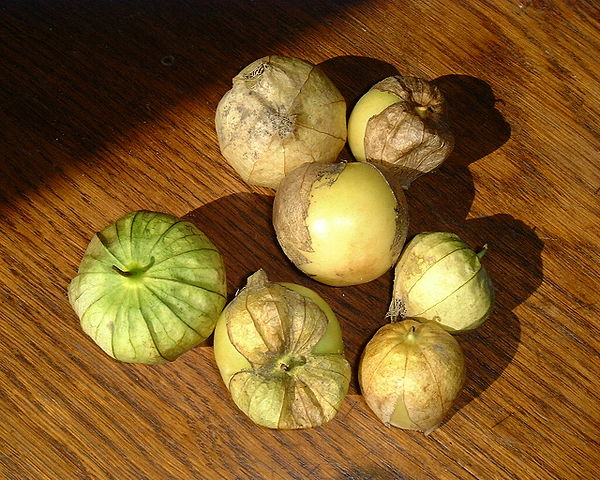
Photo: Wikimedia Commons
Planting Calendar for Arid / Semi-Arid
- Jan S/T
- Feb T
- Mar -
- Apr -
- May -
- Jun -
- Jul -
- Aug S
- Sep T
- Oct T/D
- Nov -
- Dec S
S = Seed Tray T = Transplant D = Direct Sow
Want a nudge when it is sowing time?
One email a week with what is worth planting in the Arid / Semi-Arid zone right now, Tomatillo included, plus which veg has jumped in price at the supermarket. Free, and you can stop it in one click.
How to Grow Tomatillo in Arid / Semi-Arid Australia
- Soil
- Well-drained, moderately fertile. Less fussy than tomatoes.
- Salt
- Moderately sensitive. Copes with a little salt, but the harvest drops on salty bore water.
- pH Range
- 6.0-7.0
- Sunlight
- Full sun (minimum 6 hours)
- Spacing
- 60cm apart, 90cm between rows
- Watering
- Moderate. More drought-tolerant than tomatoes once established.
- Good companions
- Basil, Marigold, Capsicum, Coriander
- Keep away from
- Fennel
- Grow before it
- Leafy greens and brassicas (Lettuce, Silverbeet, Broccoli)
- Grow after it
- Roots and alliums (Carrot, Beetroot, Onion)
Give the bed 3 turns before nightshades go back in. Tomato, capsicum, eggplant and potato share wilts and blights that live on in the soil.
Arid / Semi-Arid Growing Tips for Tomatillo
Recommended Varieties
- Verde Puebla
- Toma Verde
- Michoacan Purple
Key Challenges
- Water during fruit set
- Seed availability
Pro Tips
- Native to Mexico, handles heat
- Drip irrigation
- Very productive
Pests and problems for Tomatillo in Arid / Semi-Arid
Harvesting Tomatillo
When ready: Husk turns papery, splits open. Fruit fills husk completely, feels firm. Green types harvested green.
How to harvest: Twist gently from plant. Leave husk on for storage. Peel and wash sticky residue before eating.
Storing and preserving tomatillo
How to keep it
- Freezing (raw). Husk, wash, dry. Freeze whole on tray then bag. Use from frozen in cooked dishes. Keeps: 12 months.
- Salsa Verde. Roast husked tomatillos under grill until charred. Blend with garlic, onion, chilli, coriander, lime. Freeze or water bath can. Keeps: 12 months.
- Fresh storage. Leave husks on. Single layer in cool dry place. Keeps: 2-3 weeks room temp in husk.
What members get
- Soil and weather from your nearest station
- An email when it's time to sow
- Your own garden plan, including planning from a photo
- Price history and price alerts
- Pest risk alerts for your area
- Full salt and canning detail
Common Questions About Tomatillo
When do you plant tomatillo in Australia?
It depends on your climate zone, not the calendar month alone. Planting months by zone:
- Tropical (Cairns): Apr to Jul
- Subtropical (Brisbane): Jan to Feb, Aug to Dec
- Warm Temperate (Sydney): Jan, Sep to Dec
- Cool Temperate (Melbourne): Sep to Dec
- Cold / Highland (Canberra): Sep to Dec
- Arid / Semi-Arid (Alice Springs): Jan to Feb, Aug to Oct, Dec
- Mediterranean (Perth): Jan, Sep to Dec
Can you grow tomatillo all year round in Alice Springs?
No. In the Arid / Semi-Arid zone the planting months are Jan to Feb, Aug to Oct, Dec. Outside that window it either bolts, sulks or gets cut down by the weather.
When should I plant Tomatillo in Alice Springs?
Frost-tender, so raise seedlings under cover and plant out after frost, with a second planting in January-February. It handles the heat better than tomato.
What soil temperature do Tomatillo need?
Tomatillo germinate best when soil temperature is between 21°C and 28°C.
How do I know when Tomatillo are ready to harvest?
Husk turns papery, splits open. Fruit fills husk completely, feels firm. Green types harvested green.
What are the best Tomatillo varieties for Alice Springs?
Recommended varieties for the Arid / Semi-Arid zone include: Verde Puebla, Toma Verde, Michoacan Purple.
What grows well with Tomatillo?
Good companion plants for Tomatillo include: Basil, Marigold, Capsicum, Coriander.
Are tomatillo salt tolerant?
Only a little. Tomatillo are moderately sensitive to salt, so the harvest drops on salty bore water. Mix salty water with rainwater, and mulch the bed.
Which zone am I in?
Type your postcode into the box near the top of the page and it tells you, and links this crop in your own zone if it differs. Or look it up on the grow zone map. This page is the Arid / Semi-Arid zone, Alice Springs is its reference city.