
When to Plant Plum in Cairns, Tropical Guide
What this month normally looks like in Tropical
In October the Tropical zone normally runs 34°C by day and 23°C overnight, with about 53 mm of rain over 5 or 6 wet days. Averages 1991 to 2026, 37 postcodes, SILO.
Jump to section
This Plum guide is written for the Tropical zone, which takes in Cairns, Townsville and Darwin. Somewhere else? Your postcode picks the right one.
Not your zone? Brisbane Sydney Melbourne Canberra Alice Springs Perth
Also handy: will it frost this week? and what grows in shade.
- Sun
- Full sun
- Soil pH
- 5.5–6.5
Two main types: Japanese plums (larger, juicy, eat fresh, most common in Australia) and European plums (smaller, denser flesh, better for drying/prunes and cooking). Japanese plums need less chill than European types.
Published · By GardenBuddy.au
Planting dates, current conditions and prices on this page update daily.
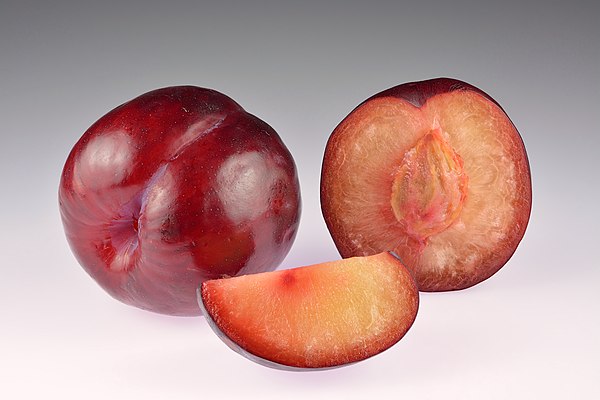
Photo: Wikimedia Commons
Best Planting Window for Tropical
Plum is not recommended for Tropical.
Even the lowest-chill plums need about 275 hours of winter cold, which the tropics do not provide. Try low-chill peaches on the Tablelands instead.
Want a nudge when it is sowing time?
One email a week with what is worth planting in the Tropical zone right now, Plum included, plus which veg has jumped in price at the supermarket. Free, and you can stop it in one click.
How to Grow Plum in Tropical Australia
- Soil
- Well-drained, slightly acidic. Better tolerance of clay than peach. Deep loam ideal.
- Salt
- Moderately sensitive. Copes with a little salt, but the harvest drops on salty bore water.
- pH Range
- 5.5-6.5
- Sunlight
- Full sun, good air circulation.
- Good companions
- Nasturtium, Lettuce, Radish, Chives, Comfrey
- Keep away from
- Previous stone fruit site
Tropical Growing Tips for Plum
Recommended Varieties
- Gulf Ruby
- Gulf Beauty (ultra-low-chill Japanese)
Key Challenges
- Insufficient chill
- Extreme fruit fly
Pro Tips
- Plums are poor performers in tropical zones.
Pests and problems for Plum in Tropical
Harvesting Plum
When ready: Full colour development. Slight give when gently squeezed. Sweet aroma. Japanese plums: slight softening. European plums: can harvest firmer.
How to harvest: Twist and pull gently. Handle carefully, plums bruise easily.
Storing and preserving plum
How to keep it
- Drying (prunes). European plums: halve, stone, dehydrate at 55°C for 18-24 hours until wrinkled and chewy. Keeps: 12 months.
- Freezing. Halve, stone, freeze on trays then bag. Keeps: 12 months.
- Jam. Halve, stone, cook with sugar (3:4 ratio) and lemon juice to setting point. Keeps: 12 months.
- Bottling. Halve, stone, pack in light syrup, water bath 20 minutes. Keeps: 12 months.
- Plum sauce. Cook plums with sugar, vinegar, garlic, ginger, soy sauce, chilli. Simmer until thick. Bottle. Keeps: 12 months.
What plum costs in the shops right now, retailer by retailer, updated daily.
What members get
- Soil and weather from your nearest station
- An email when it's time to sow
- Your own garden plan, including planning from a photo
- Price history and price alerts
- Pest risk alerts for your area
- Full salt and canning detail
Common Questions About Plum
When do you plant plum in Australia?
It depends on your climate zone, not the calendar month alone. Planting months by zone:
- Tropical (Cairns): not recommended
- Subtropical (Brisbane): Jun to Jul
- Warm Temperate (Sydney): Jun to Aug
- Cool Temperate (Melbourne): Jun to Aug
- Cold / Highland (Canberra): Jun to Aug
- Arid / Semi-Arid (Alice Springs): Jun to Aug
- Mediterranean (Perth): Jun to Aug
When should I plant Plum in Cairns?
Even the lowest-chill plums need about 275 hours of winter cold, which the tropics do not provide. Try low-chill peaches on the Tablelands instead.
How do I know when Plum are ready to harvest?
Full colour development. Slight give when gently squeezed. Sweet aroma. Japanese plums: slight softening. European plums: can harvest firmer.
What are the best Plum varieties for Cairns?
Recommended varieties for the Tropical zone include: Gulf Ruby, Gulf Beauty (ultra-low-chill Japanese).
What grows well with Plum?
Good companion plants for Plum include: Nasturtium, Lettuce, Radish, Chives, Comfrey.
Are plum salt tolerant?
Only a little. Plum are moderately sensitive to salt, so the harvest drops on salty bore water. Mix salty water with rainwater, and mulch the bed.
Which zone am I in?
Type your postcode into the box near the top of the page and it tells you, and links this crop in your own zone if it differs. Or look it up on the grow zone map. This page is the Tropical zone, Cairns is its reference city.