
When to Plant Kale in Brisbane, Subtropical Guide
That soil figure is read off our own weather station in South East Queensland at 21:55 yesterday, not a model.
What this month normally looks like in Subtropical
In October the Subtropical zone normally runs 27°C by day and 15°C overnight, with about 77 mm of rain over 7 wet days. The coldest October night on record across the zone was -0.2°C, so a late frost is not out of the question. Averages 1991 to 2026, 33 postcodes, SILO.
Jump to section
This Kale guide is written for the Subtropical zone, which takes in Brisbane, the Gold Coast and the Sunshine Coast. Somewhere else? Your postcode picks the right one.
Not your zone? Cairns Sydney Melbourne Canberra Alice Springs Perth
Also handy: will it frost this week? and what grows in shade.
- Planting window
- Feb to Jul
- Days to harvest
- 55 days
- Sun
- Full sun to part shade
- Water
- Regular
- Spacing
- 50 cm apart
- Soil pH
- 5.5–6.8
Kale is the toughest and most productive leafy green brassica, available in curly, flat (Tuscan/cavolo nero), and red Russian forms.
Published · By GardenBuddy.au
Planting dates, current conditions and prices on this page update daily.
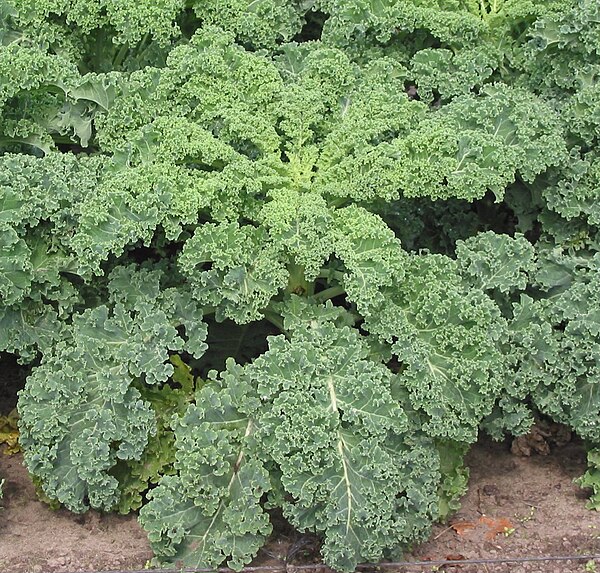
Photo: Wikimedia Commons
Planting Calendar for Subtropical
- Jan -
- Feb S
- Mar S/T/D
- Apr S/T/D
- May S/T/D
- Jun S/T
- Jul T
- Aug -
- Sep -
- Oct -
- Nov -
- Dec -
S = Seed Tray T = Transplant D = Direct Sow
Want a nudge when it is sowing time?
One email a week with what is worth planting in the Subtropical zone right now, Kale included, plus which veg has jumped in price at the supermarket. Free, and you can stop it in one click.
How to Grow Kale in Subtropical Australia
- Soil
- Rich, well-drained soil with plenty of compost and aged manure. Tolerates a wider range of soils than heading brassicas.
- Salt
- Moderately sensitive. Copes with a little salt, but the harvest drops on salty bore water.
- pH Range
- 5.5-6.8
- Sunlight
- Full sun in cool climates. Part shade (afternoon) in subtropical and warmer zones.
- Spacing
- 50cm apart, 60cm between rows
- Watering
- Deep watering 2-3 times per week. Consistent moisture produces tender leaves. Tolerates some drought but leaves toughen. Avoid overhead watering.
- Good companions
- Nasturtium (trap crop), Dwarf Beans, Onion, Cucumber, Dill
- Keep away from
- Strawberry, Tomato
- Grow before it
- Legumes (Beans - Dwarf, Peas, Broad Beans)
- Grow after it
- Fruiting crops (Tomato, Capsicum, Zucchini)
Give the bed 3 turns before brassicas go back in. The cabbage family is hungry for nitrogen and shares club root and other soil diseases.
Subtropical Growing Tips for Kale
Recommended Varieties
- Red Russian
- Nero di Toscana (Tuscan/Cavolo Nero)
- Curly Blue Scotch
- Siberian
Key Challenges
- Cabbage white butterfly active most of year
- Summer heat reduces leaf quality
- Aphid pressure in dry autumn
Pro Tips
- Kale is the best long-term brassica green for SEQ - one planting lasts 6+ months
- Net against butterflies from planting; it's the single best investment
- Harvest regularly from the bottom up; plants grow like palm trees over time
Pests and problems for Kale in Subtropical
Harvesting Kale
When ready: Leaves are large enough to eat (15-20cm long for baby kale, 30cm+ for mature leaves). Dark green with firm texture. Lower leaves harvested first.
How to harvest: Snap or cut lower/outer leaves at the stem. Leave the growing tip and upper leaves to continue producing. Never harvest more than 1/3 of the plant at once. Twist and pull downward for clean removal.
Storing and preserving kale
How to keep it
- Blanching and Freezing. Wash, remove stems. Blanch leaves in boiling water for 2 minutes. Ice bath, drain, squeeze out excess water. Pack into freezer bags, removing air. Freeze flat for easy portioning. Keeps: 10-12 months.
- Kale Chips (Dehydrating). Wash, dry thoroughly, remove stems. Tear into pieces. Toss with olive oil, salt, and nutritional yeast or spices. Dehydrate at 55C for 4-6 hours until crispy. Store in airtight container. Keeps: 2-4 weeks (they go soft if stored longer).
- Kale Powder. Blanch leaves 1 minute, ice bath, dry on towels. Dehydrate at 52C for 6-10 hours until completely crispy. Blitz in blender to fine powder. Store in airtight jar. Add to smoothies, soups, baking. Keeps: 6-12 months in airtight container in dark.
- Pesto. Blanch leaves briefly (1 minute), ice bath. Blend with garlic, nuts (pine nuts or cashews), parmesan, olive oil, salt. Pack into small jars or ice cube trays. Freeze. Keeps: 6 months frozen; 1 week refrigerated.
Canning safety. Low-acid vegetables like kale must be pressure canned, never water-bath canned.
What kale costs in the shops right now, retailer by retailer, updated daily.
What members get
- Soil and weather from your nearest station
- An email when it's time to sow
- Your own garden plan, including planning from a photo
- Price history and price alerts
- Pest risk alerts for your area
- Full salt and canning detail
Common Questions About Kale
When do you plant kale in Australia?
It depends on your climate zone, not the calendar month alone. Planting months by zone:
- Tropical (Cairns): Mar to Aug
- Subtropical (Brisbane): Feb to Jul
- Warm Temperate (Sydney): Jan to Sep
- Cool Temperate (Melbourne): Jan to Mar, Aug to Dec
- Cold / Highland (Canberra): Jan to Mar, Aug to Dec
- Arid / Semi-Arid (Alice Springs): Mar to Jul
- Mediterranean (Perth): Jan to Jun, Aug to Oct
Can you grow kale all year round in Brisbane?
No. In the Subtropical zone the planting months are Feb to Jul. Outside that window it either bolts, sulks or gets cut down by the weather.
When should I plant Kale in Brisbane?
Plant from February to July, with March and April giving the strongest winter crop. Summer growing is possible but quality drops.
What soil temperature do Kale need?
Kale germinate best when soil temperature is between 5°C and 30°C.
How do I know when Kale are ready to harvest?
Leaves are large enough to eat (15-20cm long for baby kale, 30cm+ for mature leaves). Dark green with firm texture. Lower leaves harvested first.
What are the best Kale varieties for Brisbane?
Recommended varieties for the Subtropical zone include: Red Russian, Nero di Toscana (Tuscan/Cavolo Nero), Curly Blue Scotch, Siberian.
What grows well with Kale?
Good companion plants for Kale include: Nasturtium, Dwarf Beans, Onion, Cucumber, Dill.
Are kale salt tolerant?
Only a little. Kale are moderately sensitive to salt, so the harvest drops on salty bore water. Mix salty water with rainwater, and mulch the bed.
Which zone am I in?
Type your postcode into the box near the top of the page and it tells you, and links this crop in your own zone if it differs. Or look it up on the grow zone map. This page is the Subtropical zone, Brisbane is its reference city.