
When to Plant Chestnut in Sydney, Warm Temperate Guide
What this month normally looks like in Warm Temperate
In October the Warm Temperate zone normally runs 24°C by day and 13°C overnight, with about 66 mm of rain over 7 or 8 wet days. The coldest October night on record across the zone was -1.5°C, so a late frost is not out of the question. Averages 1991 to 2026, 153 postcodes, SILO.
Jump to section
This Chestnut guide is written for the Warm Temperate zone, which takes in Sydney, Newcastle and Wollongong. Somewhere else? Your postcode picks the right one.
Not your zone? Cairns Brisbane Melbourne Canberra Alice Springs Perth
Also handy: will it frost this week? and what grows in shade.
- Planting window
- Jun to Aug
- Sun
- Full sun
- Soil pH
- 5.5–6.5
A large, fast growing deciduous tree that crops in autumn and is at home where winters are cold and summers hot, from the Victorian high country to the Adelaide Hills (Daleys, Chestnuts Australia).
Published · By GardenBuddy.au
Planting dates, current conditions and prices on this page update daily.
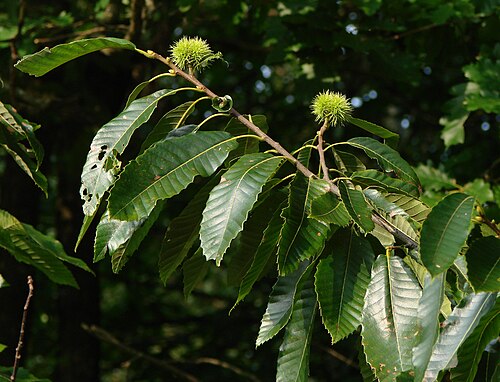
Photo: Wikimedia Commons
Best Planting Window for Warm Temperate
- Jan -
- Feb -
- Mar -
- Apr -
- May -
- Jun P
- Jul P
- Aug P
- Sep -
- Oct -
- Nov -
- Dec -
P = Planting window
Daleys lists Reilly for warm temperate gardens with harvest March to May. Plant in winter while dormant (Pip Magazine). Needs perfect drainage and two varieties for a full crop.
Want a nudge when it is sowing time?
One email a week with what is worth planting in the Warm Temperate zone right now, Chestnut included, plus which veg has jumped in price at the supermarket. Free, and you can stop it in one click.
How to Grow Chestnut in Warm Temperate Australia
- Soil
- Deep, fertile, perfectly drained soil, sand or volcanic ground; never waterlogged (Daleys, Organic Gardener, InDaily).
- Salt
- Sensitive. Struggles with salty bore water or salty soil. Give it rainwater if you can.
- pH Range
- 5.5-6.5
- Sunlight
- Full sun (Daleys).
- Keep away from
- Heavy or waterlogged ground, Horse chestnut trees, which look alike and are not edible
Warm Temperate Growing Tips for Chestnut
Recommended Varieties
- Reilly
- Winchester
- April Gold
- Emerald Gem
Key Challenges
- Drainage
- Space for a big tree
Pro Tips
- Two varieties
- Prune to keep it in reach
Pests and problems for Chestnut in Warm Temperate
Harvesting Chestnut
When ready: Burrs split and nuts fall to the ground in autumn (Pip Magazine).
How to harvest: Collect fallen nuts every day, within two days of falling, wearing gloves for the spiky burrs; 2 to 3 nuts per burr (Chestnuts Australia).
What members get
- Soil and weather from your nearest station
- An email when it's time to sow
- Your own garden plan, including planning from a photo
- Price history and price alerts
- Pest risk alerts for your area
- Full salt and canning detail
Common Questions About Chestnut
When do you plant chestnut in Australia?
It depends on your climate zone, not the calendar month alone. Planting months by zone:
- Tropical (Cairns): not recommended
- Subtropical (Brisbane): Jun to Aug
- Warm Temperate (Sydney): Jun to Aug
- Cool Temperate (Melbourne): Jun to Aug
- Cold / Highland (Canberra): Jun to Aug
- Arid / Semi-Arid (Alice Springs): Jun to Aug
- Mediterranean (Perth): Jun to Aug
When should I plant Chestnut in Sydney?
Daleys lists Reilly for warm temperate gardens with harvest March to May. Plant in winter while dormant (Pip Magazine). Needs perfect drainage and two varieties for a full crop.
How do I know when Chestnut are ready to harvest?
Burrs split and nuts fall to the ground in autumn (Pip Magazine).
What are the best Chestnut varieties for Sydney?
Recommended varieties for the Warm Temperate zone include: Reilly, Winchester, April Gold, Emerald Gem.
Are chestnut salt tolerant?
No. Chestnut are salt-sensitive, one of the more sensitive veggies. Use rainwater if your bore water is salty, or grow them in a raised bed of fresh mix if your soil is.
Which zone am I in?
Type your postcode into the box near the top of the page and it tells you, and links this crop in your own zone if it differs. Or look it up on the grow zone map. This page is the Warm Temperate zone, Sydney is its reference city.