
When to Plant Spinach in Cairns, Tropical Guide
Soil temperature is modelled from Open-Meteo forecast (Cairns), not a live sensor.
What this month normally looks like in Tropical
In October the Tropical zone normally runs 34°C by day and 23°C overnight, with about 53 mm of rain over 5 or 6 wet days. Averages 1991 to 2026, 37 postcodes, SILO.
Jump to section
This Spinach guide is written for the Tropical zone, which takes in Cairns, Townsville and Darwin. Somewhere else? Your postcode picks the right one.
Not your zone? Brisbane Sydney Melbourne Canberra Alice Springs Perth
Also handy: will it frost this week? and what grows in shade.
- Planting window
- Apr to Aug
- Days to harvest
- 35 days
- Sun
- Full sun to part shade
- Water
- Regular
- Spacing
- 20 cm apart
- Soil pH
- 6.0–7.0
True spinach (English spinach) is a cool-season annual prized for its tender, dark green leaves. It is one of the most nutritious leafy greens but also one of the most temperamental to grow in Australian conditions.
Published · By GardenBuddy.au
Planting dates, current conditions and prices on this page update daily.
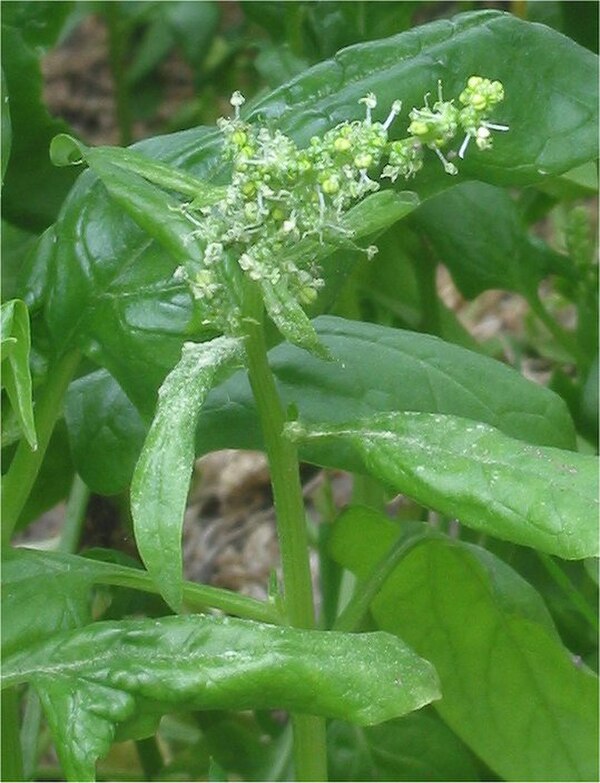
Photo: Wikimedia Commons
Planting Calendar for Tropical
- Jan -
- Feb -
- Mar -
- Apr S/D
- May S/T/D
- Jun S/T/D (likely to bolt)
- Jul S/T/D (likely to bolt)
- Aug T (likely to bolt)
- Sep -
- Oct -
- Nov -
- Dec -
S = Seed Tray T = Transplant D = Direct Sow
Amber = likely to bolt if sown this month, it matures into heat or long days.
Want a nudge when it is sowing time?
One email a week with what is worth planting in the Tropical zone right now, Spinach included, plus which veg has jumped in price at the supermarket. Free, and you can stop it in one click.
How to Grow Spinach in Tropical Australia
- Soil
- Rich, well-drained soil heavily enriched with compost and well-rotted manure. Spinach is a heavy feeder that demands fertile soil.
- Salt
- Moderately sensitive. Copes with a little salt, but the harvest drops on salty bore water.
- pH Range
- 6.0-7.0
- Sunlight
- Full sun in cool weather. Part shade beneficial in all but the coldest zones. Shade delays bolting.
- Spacing
- 20cm apart, 30cm between rows
- Watering
- Consistent moisture essential. Light, frequent watering keeps soil evenly moist. Drought stress triggers bolting. Morning watering. Drip irrigation ideal.
- Good companions
- Dwarf Beans, Radish, Peas, Celery, Strawberry
- Keep away from
- Beetroot (same family; shared pests and diseases), Quinoa
- Grow before it
- Legumes (Beans - Dwarf, Peas, Broad Beans)
- Grow after it
- Fruiting crops (Tomato, Capsicum, Zucchini)
Give the bed 3 turns before leafy greens go back in. Leaf crops want the nitrogen the legumes left behind.
Tropical Growing Tips for Spinach
Recommended Varieties
- Dry season only: Bloomsdale or another slow-bolting type
- NZ spinach, amaranth or kangkung are easier swaps
Key Challenges
- Bolts almost immediately in tropical warmth
- Downy mildew in humidity
- Genuinely impractical crop
Pro Tips
- Do not grow true spinach in the tropics. It will fail.
- Grow NZ spinach (warrigal greens) instead. It thrives in tropical heat
- Kangkung (water spinach) is another excellent tropical substitute
Pests and problems for Spinach in Tropical
Harvesting Spinach
When ready: Baby spinach: leaves 5-8cm (3-4 weeks). Full size: leaves 15-20cm (6-8 weeks). Leaves should be dark green, firm, and glossy. Harvest before any sign of flower stalk elongation.
How to harvest: Cut-and-come-again: cut outer leaves at base, leaving inner leaves and growing point. Or cut entire plant 3cm above ground for one large harvest (may regrow once). Harvest in cool of morning.
Storing and preserving spinach
How to keep it
- Blanching and Freezing. Wash thoroughly (spinach traps soil in crinkled leaves). Blanch in boiling water for 2 minutes. Ice bath, drain, squeeze out as much water as possible. Pack tightly into freezer bags or ice cube trays. Freeze flat for easy portioning. Keeps: 10-12 months.
- Spinach Powder (Dehydrating). Wash and blanch briefly (1 minute). Cool, drain, pat dry. Dehydrate at 52C for 6-10 hours until completely crispy. Blitz in blender to fine powder. Add to smoothies, pasta dough, baking. Keeps: 6-12 months in airtight container.
- Spinach and Feta Borek/Pastries (Freeze). Sautee spinach with garlic and onion. Mix with feta, egg, and nutmeg. Fill filo pastry. Freeze unbaked on trays, then transfer to freezer bags. Bake from frozen. Keeps: 3 months frozen.
Canning safety. Low-acid vegetables like spinach must be pressure canned, never water-bath canned.
What spinach costs in the shops right now, retailer by retailer, updated daily.
What members get
- Soil and weather from your nearest station
- An email when it's time to sow
- Your own garden plan, including planning from a photo
- Price history and price alerts
- Pest risk alerts for your area
- Full salt and canning detail
Common Questions About Spinach
When do you plant spinach in Australia?
It depends on your climate zone, not the calendar month alone. Planting months by zone:
- Tropical (Cairns): Apr to Aug Likely to bolt if sown in June, July and August.
- Subtropical (Brisbane): Apr to Jul
- Warm Temperate (Sydney): Mar to Aug
- Cool Temperate (Melbourne): Feb to Sep Likely to bolt if sown in September.
- Cold / Highland (Canberra): Mar to Oct Likely to bolt if sown in October.
- Arid / Semi-Arid (Alice Springs): Mar to Aug Likely to bolt if sown in July and August.
- Mediterranean (Perth): Mar to Aug
Can you grow spinach all year round in Cairns?
No. In the Tropical zone the planting months are Apr to Aug. Outside that window it either bolts, sulks or gets cut down by the weather. Likely to bolt if sown in June, July and August.
When should I plant Spinach in Cairns?
You might be able to grow it here under the right conditions. Sow in the dry season, April to July, direct or in trays. True spinach bolts fast in tropical heat, so pick the outer leaves often. Ready in about 45 days.
What soil temperature do Spinach need?
Spinach germinate best when soil temperature is between 4°C and 25°C.
How do I know when Spinach are ready to harvest?
Baby spinach: leaves 5-8cm (3-4 weeks). Full size: leaves 15-20cm (6-8 weeks). Leaves should be dark green, firm, and glossy. Harvest before any sign of flower stalk elongation.
What are the best Spinach varieties for Cairns?
Recommended varieties for the Tropical zone include: Dry season only: Bloomsdale or another slow-bolting type, NZ spinach, amaranth or kangkung are easier swaps.
What grows well with Spinach?
Good companion plants for Spinach include: Dwarf Beans, Radish, Peas, Celery, Strawberry.
Are spinach salt tolerant?
Only a little. Spinach are moderately sensitive to salt, so the harvest drops on salty bore water. Mix salty water with rainwater, and mulch the bed.
Which zone am I in?
Type your postcode into the box near the top of the page and it tells you, and links this crop in your own zone if it differs. Or look it up on the grow zone map. This page is the Tropical zone, Cairns is its reference city.