
When to Plant Yacon in Brisbane, Subtropical Guide
What this month normally looks like in Subtropical
In October the Subtropical zone normally runs 27°C by day and 15°C overnight, with about 77 mm of rain over 7 wet days. The coldest October night on record across the zone was -0.2°C, so a late frost is not out of the question. Averages 1991 to 2026, 33 postcodes, SILO.
Jump to section
This Yacon guide is written for the Subtropical zone, which takes in Brisbane, the Gold Coast and the Sunshine Coast. Somewhere else? Your postcode picks the right one.
Not your zone? Cairns Sydney Melbourne Canberra Alice Springs Perth
Also handy: will it frost this week? and what grows in shade.
- Planting window
- Sep to Nov
- Days to harvest
- about 26 weeks
- Sun
- Full sun to part shade
- Water
- Low
- Spacing
- 60 cm apart
- Soil pH
- 5.5–7.0
Yacon (Peruvian ground apple) is an unusual South American root crop producing large, sweet, crunchy tubers that can be eaten raw like fruit.
Published · By GardenBuddy.au
Planting dates, current conditions and prices on this page update daily.
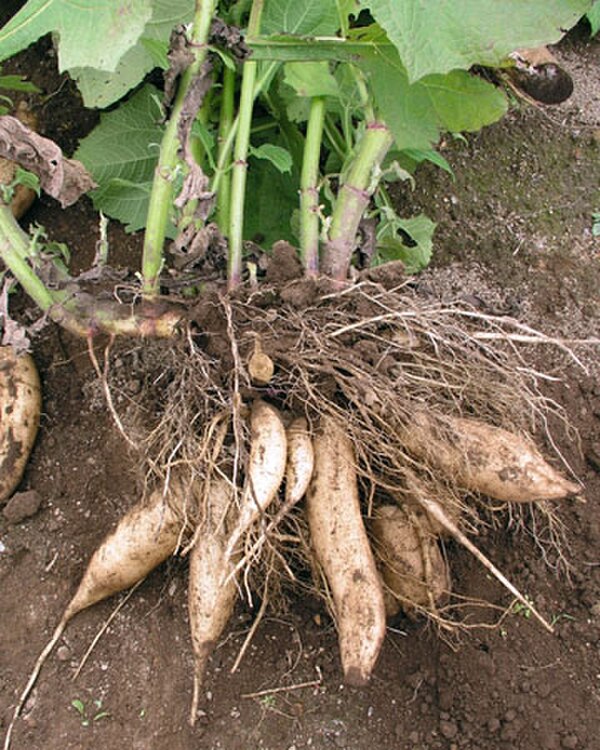
Photo: Wikimedia Commons
Best Planting Window for Subtropical
- Jan -
- Feb -
- Mar -
- Apr -
- May -
- Jun -
- Jul -
- Aug -
- Sep P
- Oct P
- Nov P
- Dec -
P = Planting window
Plant sprouted crown pieces in spring. Dig the tubers when the tops die back in late autumn and early winter, keeping a crown piece to replant.
Want a nudge when it is sowing time?
One email a week with what is worth planting in the Subtropical zone right now, Yacon included, plus which veg has jumped in price at the supermarket. Free, and you can stop it in one click.
How to Grow Yacon in Subtropical Australia
- Soil
- Rich, friable, well-drained soil. Grows in a wide range of soils but crops best in deep, fertile loam with plenty of organic matter. Avoid waterlogged conditions.
- Salt
- Moderately sensitive. Copes with a little salt, but the harvest drops on salty bore water.
- pH Range
- 5.5-7.0
- Sunlight
- Full sun to light shade. Tolerates some shade but yields best in full sun.
- Spacing
- 60cm apart, 90cm between rows
- Watering
- Water regularly during establishment and dry periods. Yacon is surprisingly drought-tolerant once established but yields more with consistent moisture. Reduce watering after the top growth dies back in autumn.
- Good companions
- Sweet Corn, Sunflower, Jerusalem artichoke
- Keep away from
- No known antagonisms
- Grow before it
- Fruiting crops (Tomato, Capsicum, Zucchini)
- Grow after it
- Legumes (Beans - Dwarf, Peas, Broad Beans)
Give the bed 3 turns before root crops go back in. Roots fork and go leafy in fresh manure, so they take the bed after the heavy feeders have used it.
Subtropical Growing Tips for Yacon
Recommended Varieties
- Standard yacon (limited named varieties)
- Red-skinned selections if available
Key Challenges
- Frost can damage exposed tubers if not mulched
- Tall plants may blow over in storms
Pro Tips
- Excellent performer in SEQ
- Plant in September-October for maximum growing season
- Stake plants in exposed positions
Pests and problems for Yacon in Subtropical
- Insect Damage Moderate
- Powdery Mildew Adequate spacing for airflow. Healthy, well-watered plants are more resistant. Watch
- Common Garden Snail Watch
- Slugs Watch
- Aphids Watch
- Root Rot Plant in well-drained soil only. Raise beds if drainage is poor. Do not overwater. Avoid planting rhizomes into cold, saturated soil. Watch
Harvesting Yacon
When ready: Top growth withers and dies back naturally (triggered by shorter days and cooler temperatures). DO NOT harvest early. Tubers continue to sweeten as the plant dies back. Wait until ALL foliage is completely dead. This typically takes 6-7 months from planting.
How to harvest: Cut dead stalks to ground level. Use a garden fork inserted 30-40cm from the base. Lift the entire clump carefully. Separate the two types of underground growth: (1) REDDISH RHIZOMES at the crown base, save for replanting; (2) LARGE BROWN TUBERS below. These are for eating. Handle tubers gently as skin is thin. Sun-dry tubers for a few days to sweeten further.
Storing and preserving yacon
How to keep it
- Sun-Curing and Cool Storage. After harvest, sun-dry tubers for 1-2 weeks in a warm, airy spot (out of rain). This converts some FOS to simpler sugars, increasing sweetness. Store in a cool (10-15C), dark place. Do not refrigerate. Cold temperatures damage the texture. Keeps: 2-4 months after curing.
- Refrigerator Storage (short-term). Wrap individual tubers in paper towels inside plastic bags. Store in crisper drawer. Note: refrigeration is not ideal but extends short-term life. Keeps: 2-4 weeks.
- Dehydrating. Peel and slice thinly (3mm). Dip in lemon water to prevent browning. Dehydrate at 55C for 8-12 hours until crisp. Store in airtight containers. Makes sweet, crunchy chips. Keeps: 12 months.
- Freezing. Peel and cut into chunks. Blanch 2 minutes. Ice bath, drain. Freeze on trays then bag. Texture changes when thawed. Best for cooking or smoothies. Keeps: 10-12 months.
- Yacon Syrup. Peel and juice tubers (use a juicer or grate and squeeze through cloth). Simmer juice gently for 4-6 hours until reduced to a thick, dark syrup. Do not boil vigorously. Bottle in sterilised jars. Yacon syrup is a low-calorie, prebiotic sweetener. Keeps: 6-12 months sealed, refrigerated.
What members get
- Soil and weather from your nearest station
- An email when it's time to sow
- Your own garden plan, including planning from a photo
- Price history and price alerts
- Pest risk alerts for your area
- Full salt and canning detail
Common Questions About Yacon
When do you plant yacon in Australia?
It depends on your climate zone, not the calendar month alone. Planting months by zone:
- Tropical (Cairns): Apr to Jul
- Subtropical (Brisbane): Sep to Nov
- Warm Temperate (Sydney): Sep to Nov
- Cool Temperate (Melbourne): Oct to Nov
- Cold / Highland (Canberra): Nov
- Arid / Semi-Arid (Alice Springs): Sep to Oct
- Mediterranean (Perth): Sep to Nov
When should I plant Yacon in Brisbane?
Plant sprouted crown pieces in spring. Dig the tubers when the tops die back in late autumn and early winter, keeping a crown piece to replant.
How do I know when Yacon are ready to harvest?
Top growth withers and dies back naturally (triggered by shorter days and cooler temperatures). DO NOT harvest early. Tubers continue to sweeten as the plant dies back. Wait until ALL foliage is completely dead. This typically takes 6-7 months from planting.
What are the best Yacon varieties for Brisbane?
Recommended varieties for the Subtropical zone include: Standard yacon (limited named varieties), Red-skinned selections if available.
What grows well with Yacon?
Good companion plants for Yacon include: Sweet Corn, Sunflower, Jerusalem artichoke.
Are yacon salt tolerant?
Only a little. Yacon are moderately sensitive to salt, so the harvest drops on salty bore water. Mix salty water with rainwater, and mulch the bed.
Which zone am I in?
Type your postcode into the box near the top of the page and it tells you, and links this crop in your own zone if it differs. Or look it up on the grow zone map. This page is the Subtropical zone, Brisbane is its reference city.