
When to Plant Turmeric in Brisbane, Subtropical Guide
That soil figure is read off our own weather station in South East Queensland at 6:55 this morning, not a model.
What this month normally looks like in Subtropical
In October the Subtropical zone normally runs 27°C by day and 15°C overnight, with about 77 mm of rain over 7 wet days. The coldest October night on record across the zone was -0.2°C, so a late frost is not out of the question. Averages 1991 to 2026, 33 postcodes, SILO.
Jump to section
This Turmeric guide is written for the Subtropical zone, which takes in Brisbane, the Gold Coast and the Sunshine Coast. Somewhere else? Your postcode picks the right one.
Not your zone? Cairns Sydney Melbourne Canberra Alice Springs Perth
Also handy: will it frost this week? and what grows in shade.
- Planting window
- Sep to Oct
- Days to harvest
- about 30 weeks
- Sun
- Full sun to part shade
- Water
- Regular
- Spacing
- 30 cm apart
Turmeric is a frost tender perennial in the ginger family, grown from a rhizome and reaching about 1 m.
Published · By GardenBuddy.au
Planting dates, current conditions and prices on this page update daily.
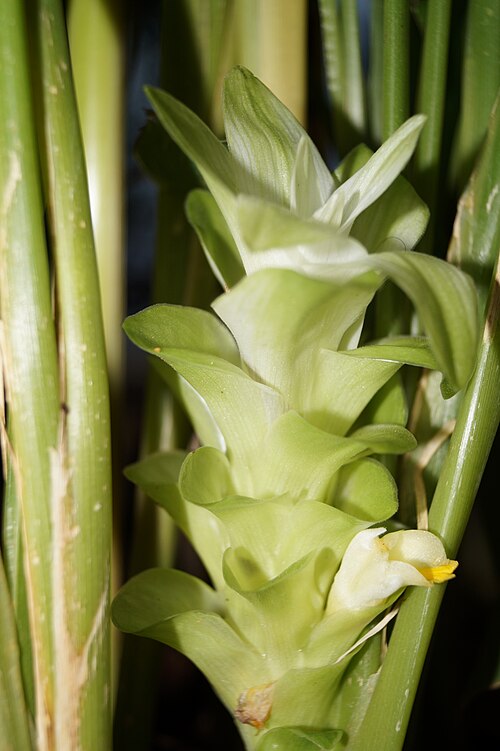
Photo: Wikimedia Commons
Best Planting Window for Subtropical
- Jan -
- Feb -
- Mar -
- Apr -
- May -
- Jun -
- Jul -
- Aug -
- Sep P
- Oct P
- Nov -
- Dec -
P = Planting window
Plant in early spring, September to October, once the soil has warmed. Use a rich, free draining bed in part shade, with morning sun and afternoon shade. Harvest from the outside of the clump in autumn or winter when the lower leaves yellow, and leave the rest to regrow.
Want a nudge when it is sowing time?
One email a week with what is worth planting in the Subtropical zone right now, Turmeric included, plus which veg has jumped in price at the supermarket. Free, and you can stop it in one click.
How to Grow Turmeric in Subtropical Australia
- Soil
- Rich, free draining soil that holds moisture, enriched with compost and well rotted manure. In pots, use a good potting mix with drainage holes. It does not tolerate waterlogging.
- Salt
- Moderately sensitive. Copes with a little salt, but the harvest drops on salty bore water.
- Sunlight
- Part shade or dappled light, ideally gentle morning sun with afternoon shade. Heavy shade slows rhizome development, and The Seed Collection lists part or full sun, so a bright but not scorching spot suits it best. Choose a sheltered position away from wind.
- Spacing
- 30cm apart, 40cm between rows
- Watering
- Keep the soil consistently moist but not soggy through the growing season, and water regularly in the dry season. Cut back through late autumn and winter as the leaves die back, then increase watering as spring warms.
- Good companions
- Lemongrass, Ginger, Coconut, Galangal, Taro
- Grow before it
- Fruiting crops (Tomato, Capsicum, Zucchini)
- Grow after it
- Legumes (Beans - Dwarf, Peas, Broad Beans)
Give the bed 3 turns before root crops go back in. Roots fork and go leafy in fresh manure, so they take the bed after the heavy feeders have used it.
Subtropical Growing Tips for Turmeric
Recommended Varieties
- Common turmeric (Curcuma longa)
Key Challenges
- Waterlogging in summer storms
- Slugs and snails on young shoots
- Cool winters send it dormant
Pro Tips
- Plant in September to October once the soil has warmed
- Cut the foliage back to ground level in late autumn or winter, it regrows in spring
- Harvest from the outside of the clump and leave the rest, since rhizomes turn fibrous and woody if left too long
Pests and problems for Turmeric in Subtropical
Harvesting Turmeric
When ready: The lower leaves turn yellow, or the stems dry out and fall over, usually 9 to 10 months after planting (7 to 10 months in some sources). In cooler areas this is autumn or early winter.
How to harvest: Dig from the side or outside of the clump and take what you need, leaving the rest to regrow. Or tip out a pot and lift everything. Do not delay, because rhizomes turn fibrous and woody.
What members get
- Soil and weather from your nearest station
- An email when it's time to sow
- Your own garden plan, including planning from a photo
- Price history and price alerts
- Pest risk alerts for your area
- Full salt and canning detail
Common Questions About Turmeric
When do you plant turmeric in Australia?
It depends on your climate zone, not the calendar month alone. Planting months by zone:
- Tropical (Cairns): Oct to Dec
- Subtropical (Brisbane): Sep to Oct
- Warm Temperate (Sydney): Oct to Nov
- Cool Temperate (Melbourne): Sep to Nov
- Cold / Highland (Canberra): not recommended
- Arid / Semi-Arid (Alice Springs): Oct to Nov
- Mediterranean (Perth): Oct to Nov
When should I plant Turmeric in Brisbane?
Plant in early spring, September to October, once the soil has warmed. Use a rich, free draining bed in part shade, with morning sun and afternoon shade. Harvest from the outside of the clump in autumn or winter when the lower leaves yellow, and leave the rest to regrow.
What soil temperature do Turmeric need?
Turmeric germinate best when soil temperature is between 24°C and 30°C.
How do I know when Turmeric are ready to harvest?
The lower leaves turn yellow, or the stems dry out and fall over, usually 9 to 10 months after planting (7 to 10 months in some sources). In cooler areas this is autumn or early winter.
What are the best Turmeric varieties for Brisbane?
Recommended varieties for the Subtropical zone include: Common turmeric (Curcuma longa).
What grows well with Turmeric?
Good companion plants for Turmeric include: Lemongrass, Ginger, Coconut, Galangal, Taro.
Are turmeric salt tolerant?
Only a little. Turmeric are moderately sensitive to salt, so the harvest drops on salty bore water. Mix salty water with rainwater, and mulch the bed.
Which zone am I in?
Type your postcode into the box near the top of the page and it tells you, and links this crop in your own zone if it differs. Or look it up on the grow zone map. This page is the Subtropical zone, Brisbane is its reference city.