
When to Plant Angelica in Brisbane, Subtropical Guide
That soil figure is read off our own weather station in South East Queensland at 21:55 yesterday, not a model.
What this month normally looks like in Subtropical
In October the Subtropical zone normally runs 27°C by day and 15°C overnight, with about 77 mm of rain over 7 wet days. The coldest October night on record across the zone was -0.2°C, so a late frost is not out of the question. Averages 1991 to 2026, 33 postcodes, SILO.
Jump to section
This Angelica guide is written for the Subtropical zone, which takes in Brisbane, the Gold Coast and the Sunshine Coast. Somewhere else? Your postcode picks the right one.
Not your zone? Cairns Sydney Melbourne Canberra Alice Springs Perth
Also handy: will it frost this week? and what grows in shade.
- Planting window
- Mar to May, Jul to Oct
- Days to harvest
- about 13 weeks
- Sun
- Full sun to part shade
- Water
- Regular
- Spacing
- 45 cm apart
- Soil pH
- 5.5–7.0
A tall, stately biennial herb native to northern Europe, grown for its aromatic stems, leaves and seeds. Angelica prefers cool, moist conditions and struggles in hot Australian summers.
Published · By GardenBuddy.au
Planting dates, current conditions and prices on this page update daily.
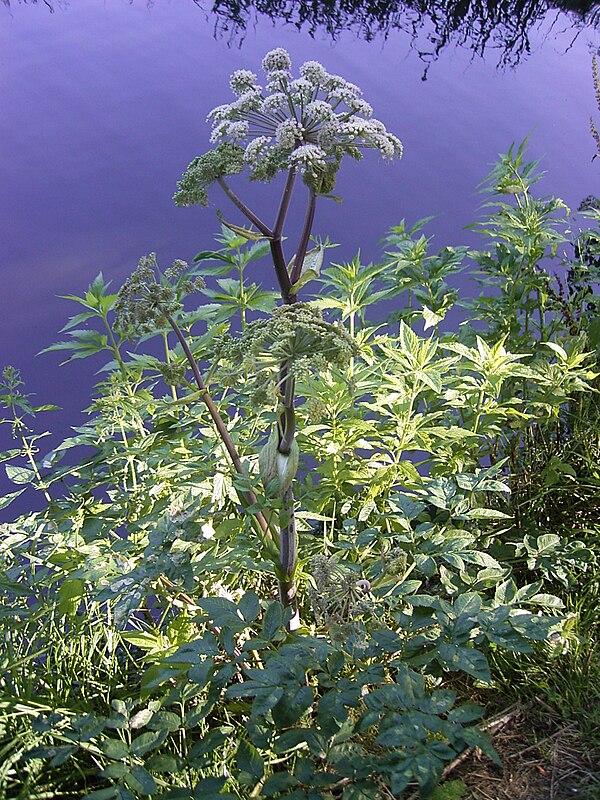
Photo: Wikimedia Commons
Planting Calendar for Subtropical
- Jan -
- Feb -
- Mar S/D
- Apr S/T/D
- May T
- Jun -
- Jul S
- Aug S/T/D
- Sep S/T/D
- Oct T
- Nov -
- Dec -
S = Seed Tray T = Transplant D = Direct Sow
Want a nudge when it is sowing time?
One email a week with what is worth planting in the Subtropical zone right now, Angelica included, plus which veg has jumped in price at the supermarket. Free, and you can stop it in one click.
How to Grow Angelica in Subtropical Australia
- Soil
- Rich, moist, well-drained loam with plenty of organic matter
- Salt
- Moderately sensitive. Copes with a little salt, but the harvest drops on salty bore water.
- pH Range
- 5.5-7.0
- Sunlight
- Part shade to full sun in cool areas; afternoon shade essential in warm zones
- Spacing
- 45cm apart, 60cm between rows
- Watering
- Keep consistently moist but not waterlogged. Mulch heavily to retain soil moisture. Will wilt quickly in dry conditions.
- Good companions
- Chives, Mint, Lemon Balm
- Keep away from
- Dill, Fennel
Subtropical Growing Tips for Angelica
Recommended Varieties
- Standard Angelica archangelica
Key Challenges
- Summer heat and humidity
- Difficulty completing biennial cycle
- Crown rot in wet summers
Pro Tips
- Plant in shadiest, coolest spot in garden
- Heavy mulching essential
- Grow in large pots that can be moved to shade
Pests and problems for Angelica in Subtropical
Harvesting Angelica
When ready: Leaves can be harvested once plant is well established (30cm+). Stems best harvested in late spring of second year before flowering. Seeds harvested when brown and dry.
How to harvest: Cut outer leaves as needed. Cut stems at base for candying. Cut seed heads when browning and dry in paper bag.
Storing and preserving angelica
How to keep it
- Drying leaves. Harvest leaves before flowering. Hang in bundles in dry, dark, well-ventilated area for 1-2 weeks. Strip dried leaves from stems and store. Keeps: 12 months in airtight jar.
- Freezing. Chop fresh leaves, pack into ice cube trays with water or olive oil. Freeze and transfer to bags. Keeps: 6 months.
- Candied stems. Cut young stems in spring. Simmer in sugar syrup (1:1 sugar:water) for 20 minutes. Drain, coat in caster sugar, dry on rack for 24-48 hours. Traditional cake decoration. Keeps: 6-12 months in airtight container.
What members get
- Soil and weather from your nearest station
- An email when it's time to sow
- Your own garden plan, including planning from a photo
- Price history and price alerts
- Pest risk alerts for your area
- Full salt and canning detail
Common Questions About Angelica
When do you plant angelica in Australia?
It depends on your climate zone, not the calendar month alone. Planting months by zone:
- Tropical (Cairns): not recommended
- Subtropical (Brisbane): Mar to May, Jul to Oct
- Warm Temperate (Sydney): Mar to May, Sep to Nov
- Cool Temperate (Melbourne): Feb to May, Sep to Nov
- Cold / Highland (Canberra): Mar to Apr, Oct to Dec
- Arid / Semi-Arid (Alice Springs): not recommended
- Mediterranean (Perth): Mar to May
Can you grow angelica all year round in Brisbane?
No. In the Subtropical zone the planting months are Mar to May, Jul to Oct. Outside that window it either bolts, sulks or gets cut down by the weather.
When should I plant Angelica in Brisbane?
A cool-climate biennial that struggles in summer heat and humidity. Grow it in semi-shade with moist, rich soil, sown in autumn or late winter, and pick stems in its second year.
What soil temperature do Angelica need?
Angelica germinate best when soil temperature is between 10°C and 25°C.
How do I know when Angelica are ready to harvest?
Leaves can be harvested once plant is well established (30cm+). Stems best harvested in late spring of second year before flowering. Seeds harvested when brown and dry.
What are the best Angelica varieties for Brisbane?
Recommended varieties for the Subtropical zone include: Standard Angelica archangelica.
What grows well with Angelica?
Good companion plants for Angelica include: Chives, Mint, Lemon Balm.
Are angelica salt tolerant?
Only a little. Angelica are moderately sensitive to salt, so the harvest drops on salty bore water. Mix salty water with rainwater, and mulch the bed.
Which zone am I in?
Type your postcode into the box near the top of the page and it tells you, and links this crop in your own zone if it differs. Or look it up on the grow zone map. This page is the Subtropical zone, Brisbane is its reference city.