
When to Plant Luffa in Melbourne, Cool Temperate Guide
Sow August to March. Right now in September you can sow.
Grow Luffa in your space
- Planting window
- Season is too short and cool for luffa production. Greenhouse with heating would be required. Not a practical crop for Melbourne-type...
- Days to harvest
- 60 days
- Sunlight
- Full sun (minimum 8 hours). The more sun and heat, the better.
- Water needs
- Very heavy water demands during fruiting. Deep, consistent watering essential. Drought...
- Spacing
- 120cm apart, 200cm between rows
- Soil pH
- 6.0-7.0
Published · Last reviewed · By GardenBuddy.au
Growing advice is reviewed by hand. Planting dates, current conditions and prices on this page update daily.
This Luffa guide is written for the Cool Temperate zone, which takes in Melbourne, Hobart and Geelong. Somewhere else? Your postcode picks the right one.
Not your zone? Cairns Brisbane Sydney Canberra Alice Springs Perth
Also handy: will it frost this week? and what grows in shade.
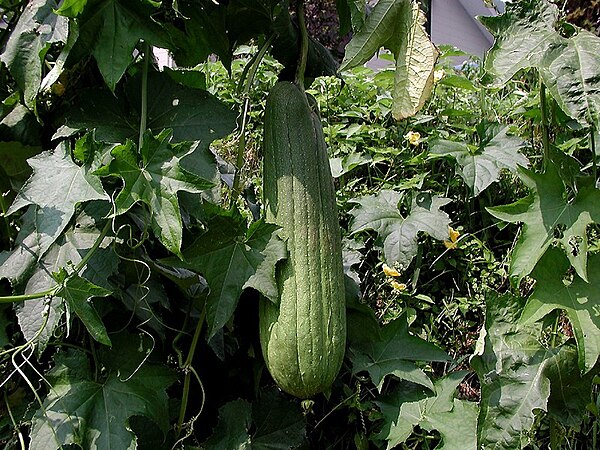
Photo: Wikimedia Commons
Luffa is a tropical/subtropical cucurbit vine grown for edible young fruit (eaten as a vegetable) and mature dried fruit (natural sponge). Two species are cultivated: smooth luffa (L. aegyptiaca) primarily for sponges, and ridged luffa (L. acutangula) primarily for eating. Requires a long, hot growing season and a strong trellis. Honest limitation: luffa is not viable south of about Sydney without a greenhouse.
Planting Calendar for Cool Temperate
| Jan | Feb | Mar | Apr | May | Jun | Jul | Aug | Sep | Oct | Nov | Dec |
|---|---|---|---|---|---|---|---|---|---|---|---|
| S/T/D | S/T/D | T | - | - | - | - | S | S/T/D | S/T/D | S/T/D | S/T/D |
S = Seed Tray T = Transplant D = Direct Sow
Want a nudge when it is Luffa sowing time in Melbourne?
One email a week with what is worth planting in the Cool Temperate zone right now, Luffa included, plus which veg has jumped in price at the supermarket. Free, and you can stop it in one click.
Current Growing Conditions
Soil temperature: 16.3°C (optimal range: 22–35°C) ✗ Outside optimal range
Modelled from Open-Meteo forecast (Melbourne), not a live sensor.
How to Grow Luffa in Cool Temperate Australia
When to Plant
Season is too short and cool for luffa production. Greenhouse with heating would be required. Not a practical crop for Melbourne-type climates.
- Soil
- Rich, well-drained soil with generous compost and aged manure. Heavy feeder like most cucurbits.
- pH Range
- 6.0-7.0
- Sunlight
- Full sun (minimum 8 hours). The more sun and heat, the better.
- Spacing
- 120cm apart, 200cm between rows
- Watering
- Very heavy water demands during fruiting. Deep, consistent watering essential. Drought stress causes flower drop and misshapen fruit. Drip irrigation recommended.
Companion plants: Corn, Beans, Sunflower
Avoid planting near: Other cucurbits (rotation), Potato
Cool Temperate Growing Tips for Luffa
Recommended Varieties
- Not recommended
Key Challenges
- Grossly insufficient heat and season length
- Frost kills vines
Pro Tips
- Do not attempt luffa in cool-temperate zones outdoors
- A heated greenhouse is required and even then results are poor
- Grow cucumbers and zucchini instead. Same family, much more reliable
Harvesting Luffa
When ready: For eating: harvest when 15-25cm long, bright green, and skin scratches easily with fingernail (tender). For sponges: leave on vine until skin turns brown, fruit feels light and papery, and you can hear seeds rattling inside.
How to harvest: Eating: cut with secateurs. Sponges: cut from vine when completely dry. If frost threatens before sponges are ready, cut and bring indoors to finish drying.
Common Luffa Pests in Cool Temperate Zones
Where to next
Get the Full Interactive Guide
Track your garden, get real-time pest alerts, and plan around your zone's weather.
Open the planting dashboard Join GardenBuddy.auCommon Questions About Luffa
When do you plant luffa in Australia?
It depends on your climate zone, not the calendar month alone. Planting months by zone:
- Tropical (Cairns): Mar to Jul
- Subtropical (Brisbane): Jan, Aug to Dec
- Warm Temperate (Sydney): Jan to Mar, Aug to Dec
- Cool Temperate (Melbourne): Jan to Mar, Aug to Dec
- Cold / Highland (Canberra): Jan, Sep to Dec
- Arid / Semi-Arid (Alice Springs): Jul to Sep
- Mediterranean (Perth): Jan to Mar, Aug to Dec
Does luffa grow all year round in Melbourne?
No. In the Cool Temperate zone the planting months are Jan to Mar, Aug to Dec. Outside that window it either bolts, sulks or gets cut down by the weather.
Which zone am I in?
Type your postcode into the box under the heading and the page tells you, and links this crop in your own zone if it differs. Or look it up on the grow zone map. This page is the Cool Temperate zone, Melbourne is its reference city.