
When to Plant Fig in Canberra, Cold / Highland Guide
What this month normally looks like in Cold / Highland
In October the Cold / Highland zone normally runs 20°C by day and 7°C overnight, with about 58 mm of rain over 7 or 8 wet days. The coldest October night on record across the zone was -6.4°C, so a late frost is not out of the question. Averages 1991 to 2026, 15 postcodes, SILO.
Jump to section
This Fig guide is written for the Cold / Highland zone, which takes in Canberra, Cooma and Bright. Somewhere else? Your postcode picks the right one.
Not your zone? Cairns Brisbane Sydney Melbourne Alice Springs Perth
Also handy: will it frost this week? and what grows in shade.
- Planting window
- Jun to Aug
- Sun
- Full sun
- Soil pH
- 6.0–8.0
One of the easiest fruit trees for Australian home gardens. Tough, drought-tolerant once established, and self-fertile (common fig varieties don't need pollination or a wasp).
Published · By GardenBuddy.au
Planting dates, current conditions and prices on this page update daily.
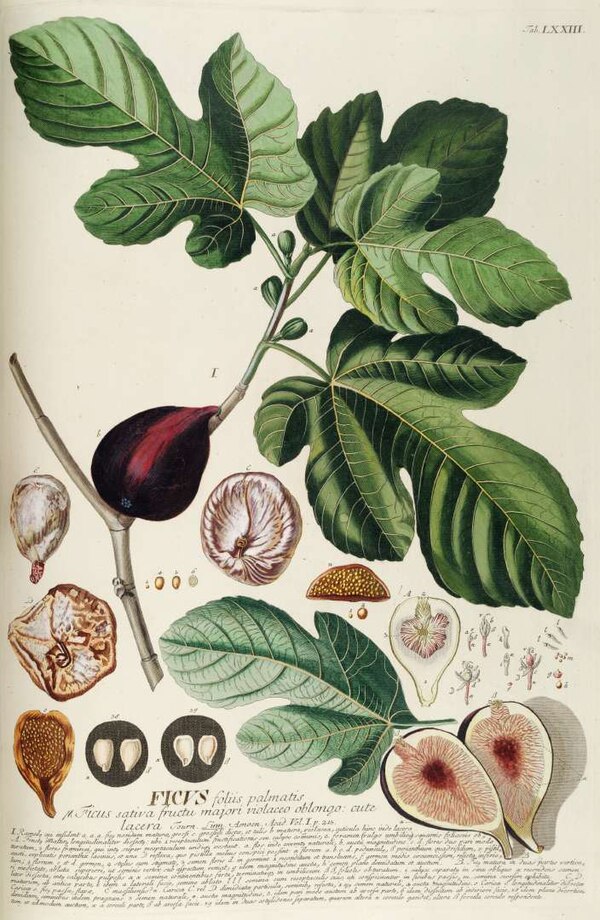
Photo: Wikimedia Commons
Best Planting Window for Cold / Highland
- Jan -
- Feb -
- Mar -
- Apr -
- May -
- Jun P
- Jul P
- Aug P
- Sep -
- Oct -
- Nov -
- Dec -
P = Planting window
Plant dormant trees in winter in a sunny, sheltered, north-facing spot. The main crop ripens late summer to autumn; early spring figs are often lost to frost.
Want a nudge when it is sowing time?
One email a week with what is worth planting in the Cold / Highland zone right now, Fig included, plus which veg has jumped in price at the supermarket. Free, and you can stop it in one click.
How to Grow Fig in Cold / Highland Australia
- Soil
- Tolerates most soils including clay and limestone. Prefers well-drained but surprisingly adaptable. Restricting root space (against a wall, in a pot, or with buried barriers) can increase fruit production.
- Salt
- Moderately tolerant. Handles slightly salty water better than most veggies.
- pH Range
- 6.0-8.0
- Sunlight
- Full sun essential for sweetest fruit. At least 8 hours direct. Heat-loving. Benefits from reflected heat off walls and paving.
- Good companions
- Rue (traditional companion), Comfrey, Strawberry, Mint
- Keep away from
- Plumbing/foundations (aggressive root system), Other fruit trees it will shade
Cold / Highland Growing Tips for Fig
Recommended Varieties
- Brown Turkey
- Preston Prolific
Key Challenges
- Short season
- Late frost kills new growth
- Main crop may not ripen before autumn cold
Pro Tips
- Marginal but possible with warmest microclimate. Brown Turkey is the hardiest choice.
- Against a north-facing stone or brick wall is essential, not optional.
- May only get one crop (main crop) in good years.
Pests and problems for Fig in Cold / Highland
- Queensland Fruit Fly Watch
- Fig Rust Open canopy for air circulation. Rake and remove ALL fallen leaves in autumn (spores overwinter on debris). Choose resistant varieties... Watch
- Fruit Souring Grow varieties with closed/small eye (e.g., Black Genoa has smaller eye than Brown Turkey). Harvest promptly. In humid areas, this is... Watch
Harvesting Fig
When ready: Neck droops (fruit hangs down instead of pointing up). Skin colour deepens (variety-specific). Slight softness when gently squeezed. Drop of nectar at the eye. Skin may crack slightly at base of neck.
How to harvest: Twist and pull gently upward. Ripe figs detach easily. Wear gloves. Fig sap (latex) irritates skin. Handle gently. Ripe figs bruise easily.
Storing and preserving fig
How to keep it
- Drying. Halve figs, place cut-side up on racks. Sun-dry (3-5 days in dry climate) or dehydrate at 55°C for 10-16 hours. Figs are naturally high in sugar and dry beautifully. Keeps: 6-12 months.
- Freezing. Halve or quarter. Freeze on tray then bag. Best for cooking/baking after thawing. Keeps: 6 months.
- Jam/Paste. Chop figs, cook with sugar (2:3 sugar to fig ratio), lemon juice, and optional spices (cinnamon, vanilla). Simmer until thick. Jar hot. Keeps: 12 months.
- Preserved in syrup. Pack whole small figs in sterilised jars. Cover with hot sugar syrup. Water bath process 30 minutes. Keeps: 12 months.
- Fig paste (for cheese). Cook figs with sugar, balsamic vinegar, walnuts. Reduce to thick paste. Set in lined tin. Slice when cool. Keeps: 3 months refrigerated.
What fig costs in the shops right now, retailer by retailer, updated daily.
What members get
- Soil and weather from your nearest station
- An email when it's time to sow
- Your own garden plan, including planning from a photo
- Price history and price alerts
- Pest risk alerts for your area
- Full salt and canning detail
Common Questions About Fig
When do you plant fig in Australia?
It depends on your climate zone, not the calendar month alone. Planting months by zone:
- Tropical (Cairns): Apr to Jun
- Subtropical (Brisbane): Jun to Aug
- Warm Temperate (Sydney): Jun to Aug
- Cool Temperate (Melbourne): Jun to Aug
- Cold / Highland (Canberra): Jun to Aug
- Arid / Semi-Arid (Alice Springs): Mar to May, Aug to Oct
- Mediterranean (Perth): Jun to Aug
When should I plant Fig in Canberra?
Plant dormant trees in winter in a sunny, sheltered, north-facing spot. The main crop ripens late summer to autumn; early spring figs are often lost to frost.
How do I know when Fig are ready to harvest?
Neck droops (fruit hangs down instead of pointing up). Skin colour deepens (variety-specific). Slight softness when gently squeezed. Drop of nectar at the eye. Skin may crack slightly at base of neck.
What are the best Fig varieties for Canberra?
Recommended varieties for the Cold / Highland zone include: Brown Turkey, Preston Prolific.
What grows well with Fig?
Good companion plants for Fig include: Rue, Comfrey, Strawberry, Mint.
Are fig salt tolerant?
Fairly. Fig are moderately tolerant of salt and handle slightly salty water better than most veggies.
Which zone am I in?
Type your postcode into the box near the top of the page and it tells you, and links this crop in your own zone if it differs. Or look it up on the grow zone map. This page is the Cold / Highland zone, Canberra is its reference city.