
When to Plant Krachai in Alice Springs, Arid / Semi-Arid Guide
Soil temperature is modelled from Open-Meteo forecast (Alice Springs), not a live sensor.
What this month normally looks like in Arid / Semi-Arid
In October the Arid / Semi-Arid zone normally runs 32°C by day and 16°C overnight, with about 19 mm of rain over 2 or 3 wet days. The coldest October night on record across the zone was 1.9°C, so a late frost is not out of the question. Averages 1991 to 2026, 10 postcodes, SILO.
Jump to section
This Krachai guide is written for the Arid / Semi-Arid zone, which takes in Alice Springs, Broken Hill and Port Augusta. Somewhere else? Your postcode picks the right one.
Not your zone? Cairns Brisbane Sydney Melbourne Canberra Perth
Also handy: will it frost this week? and what grows in shade.
- Planting window
- Oct to Nov
- Days to harvest
- about 34 weeks
- Sun
- Full sun to part shade
- Water
- Regular
- Spacing
- 20 cm apart
Krachai, also called fingerroot or Chinese keys, is a tropical ginger relative 50 to 70 cm tall grown for a cluster of finger like rhizomes with a peppery, aromatic taste, used raw, pickled and in Thai curries (Green...
Published · By GardenBuddy.au
Planting dates, current conditions and prices on this page update daily.
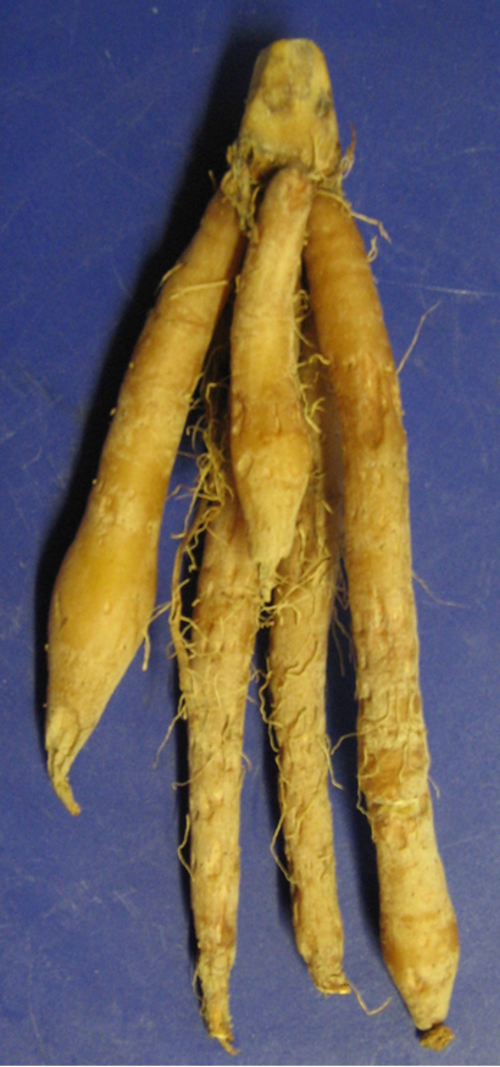
Photo: Wikimedia Commons
Best Planting Window for Arid / Semi-Arid
- Jan -
- Feb -
- Mar -
- Apr -
- May -
- Jun -
- Jul -
- Aug -
- Sep -
- Oct P
- Nov P
- Dec -
P = Planting window
You might be able to grow it here under the right conditions. Krachai wants about 1500 mm of rain or the equivalent irrigation (Green Harvest), so in a dry garden it needs daily water and afternoon shade. Plant rhizome pieces in October or November; months are our estimate and no source covers this zone.
Want a nudge when it is sowing time?
One email a week with what is worth planting in the Arid / Semi-Arid zone right now, Krachai included, plus which veg has jumped in price at the supermarket. Free, and you can stop it in one click.
How to Grow Krachai in Arid / Semi-Arid Australia
- Soil
- Loamy, fertile, well drained soil with compost (Green Harvest).
- Salt
- Moderately sensitive. Copes with a little salt, but the harvest drops on salty bore water.
- pH Range
- 6.0 to 7.0 (as for ginger in our database; no krachai figure found).
- Sunlight
- Full sun to part shade; afternoon shade in hot dry areas.
- Spacing
- 20cm apart, 30cm between rows
- Watering
- Needs about 1500 mm of rain a year or the equivalent irrigation; water daily in dry weather, then stop once leaves yellow in autumn (Green Harvest).
- Good companions
- Turmeric, Galangal
- Grow before it
- Fruiting crops (Tomato, Capsicum, Zucchini)
- Grow after it
- Legumes (Beans - Dwarf, Peas, Broad Beans)
Give the bed 3 turns before root crops go back in. Roots fork and go leafy in fresh manure, so they take the bed after the heavy feeders have used it.
Arid / Semi-Arid Growing Tips for Krachai
Recommended Varieties
- Unnamed Green Harvest stock
Key Challenges
- Water
Pro Tips
- Plant on ridges in free draining soil (Green Harvest).
- Harvest when the tops die down (Green Harvest).
Pests and problems for Krachai in Arid / Semi-Arid
Harvesting Krachai
When ready: Leaves yellow and die down, about 8 months after planting (Green Harvest, JIRCAS).
How to harvest: Fork up the clump, shake off soil, keep some rhizomes for replanting.
Storing and preserving krachai
How to keep it
- Freezing. Peel, grate, freeze in ice cube trays. Keeps: 6 months.
- Fresh storage. Store unwashed rhizomes in the crisper or in dry sand in a cool shed. Keeps: 2 to 3 weeks in the fridge; months in sand.
What members get
- Soil and weather from your nearest station
- An email when it's time to sow
- Your own garden plan, including planning from a photo
- Price history and price alerts
- Pest risk alerts for your area
- Full salt and canning detail
Common Questions About Krachai
When do you plant krachai in Australia?
It depends on your climate zone, not the calendar month alone. Planting months by zone:
- Tropical (Cairns): Oct to Dec
- Subtropical (Brisbane): Sep to Nov
- Warm Temperate (Sydney): Oct to Nov
- Cool Temperate (Melbourne): Oct to Nov
- Cold / Highland (Canberra): not recommended
- Arid / Semi-Arid (Alice Springs): Oct to Nov
- Mediterranean (Perth): Oct to Nov
When should I plant Krachai in Alice Springs?
You might be able to grow it here under the right conditions. Krachai wants about 1500 mm of rain or the equivalent irrigation (Green Harvest), so in a dry garden it needs daily water and afternoon shade. Plant rhizome pieces in October or November; months are our estimate and no source covers this zone.
What soil temperature do Krachai need?
Krachai germinate best when soil temperature is between 20°C and 30°C.
How do I know when Krachai are ready to harvest?
Leaves yellow and die down, about 8 months after planting (Green Harvest, JIRCAS).
What are the best Krachai varieties for Alice Springs?
Recommended varieties for the Arid / Semi-Arid zone include: Unnamed Green Harvest stock.
What grows well with Krachai?
Good companion plants for Krachai include: Turmeric, Galangal.
Are krachai salt tolerant?
Only a little. Krachai are moderately sensitive to salt, so the harvest drops on salty bore water. Mix salty water with rainwater, and mulch the bed.
Which zone am I in?
Type your postcode into the box near the top of the page and it tells you, and links this crop in your own zone if it differs. Or look it up on the grow zone map. This page is the Arid / Semi-Arid zone, Alice Springs is its reference city.