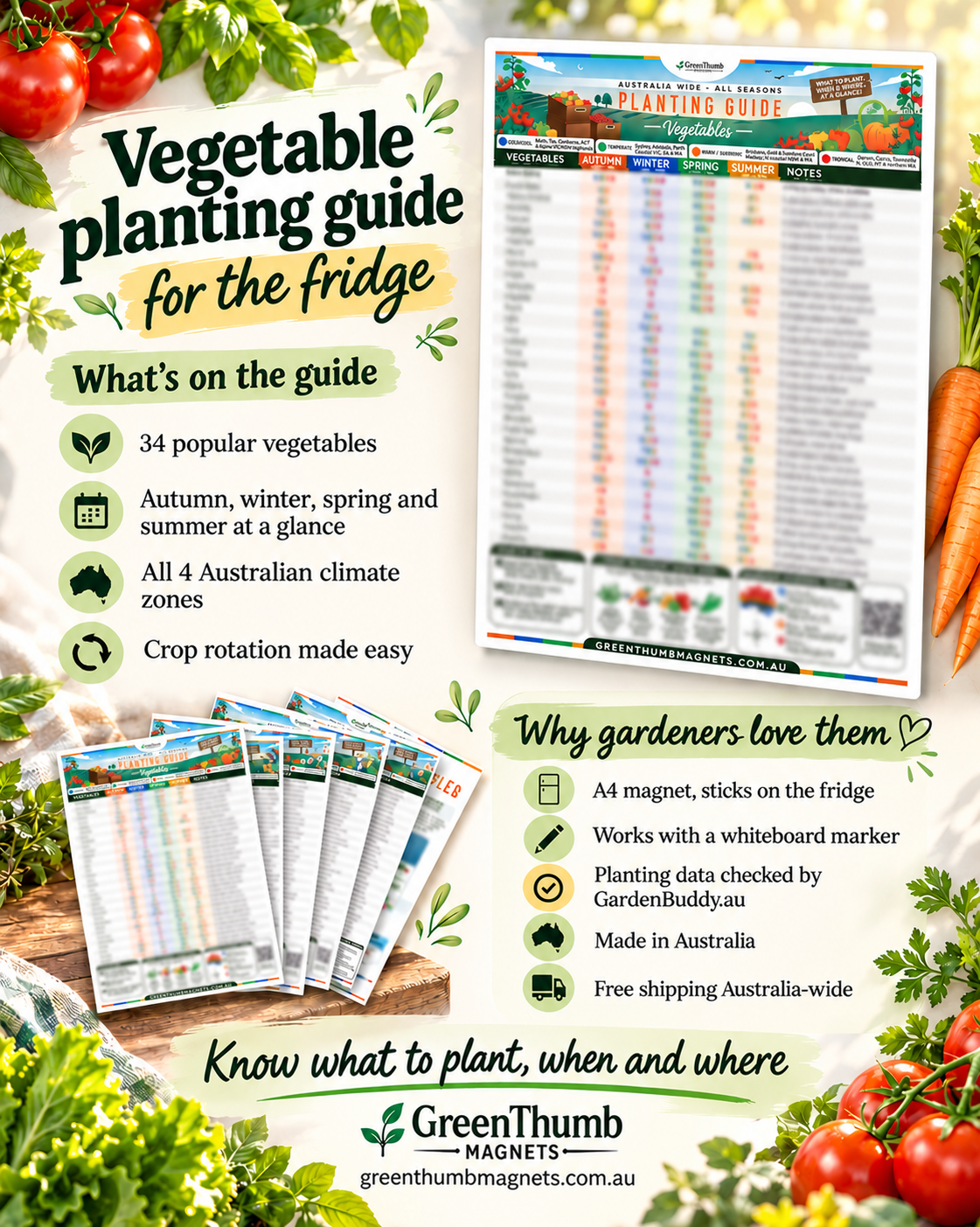
Every second breakfast in this house ends with a shell in the bowl on the windowsill, not the bin. Once the bowl is full it gets washed, dried and run through the blender, and what comes out is what you see below. It looks like nothing much. It is actually one of the more useful bits of kitchen waste a vegetable grower can keep, provided you know what it can and cannot do, and that second part matters more than most articles on this topic let on.
The process, step by step
Four steps, none of them clever, all of them worth doing properly.
Save
Keep a small bowl on the bench. Crack straight into it rather than the bin, and give it a day or two to fill.
Wash
Rinse off the egg white residue in cold water. This is not optional in a Queensland climate, leftover protein on unwashed shells is what draws flies and, eventually, smells.
Dry
Spread on a tray in the sun or a low oven for ten minutes. Dry shells blend to a finer grit and store without going mouldy.
Blend
A few short bursts in the blender or a coffee grinder. Grind further than most people bother to, the reason is below and it is the whole point of this article.
What an eggshell actually is
A dry eggshell is roughly 95 percent calcium carbonate, the same mineral found in limestone, chalk and garden lime. The rest is mostly calcium phosphate, magnesium carbonate and a thin protein membrane. That composition is why eggshells get talked about as a calcium source for the garden, and it is also why the way you prepare them matters so much. Calcium carbonate does not dissolve in water. It only becomes available to a plant once soil acids and microbes break it down, and that happens far faster on a small particle than a large one.
The honest version, backed by extension research, not garden folklore:
- Coarsely crushed shells, the kind that come straight out of a blender, break down in soil over one to three years. University of Illinois Extension trials found coarse shell fragments left no measurable increase in available soil calcium after a full growing season.
- Finely ground shells, closer to a powder than a grit, perform close to pure calcium supplement in side by side trials, because the microbes and soil acids have far more surface area to work on.
- So a blender crush is a good start, but it is a slow release soil conditioner, not a fast acting fertiliser. Treat it that way and it will not disappoint you.
What it does to the soil, and to the plant
Two separate effects, worth keeping apart in your head.
On the soil: calcium carbonate is a mild liming agent. Worked in over a season it nudges acidic soil toward neutral, the same job garden lime does, just slower and weaker. It also adds a small, steady trickle of calcium and magnesium as it weathers, and the leftover membrane protein feeds soil microbes as it rots, which is a genuine if minor contribution to soil biology. None of this is dramatic. All of it is real.
On the plant: calcium is a structural mineral. It is what a plant uses to build strong cell walls, and cell wall strength is what stands between a plant and a long list of problems, splitting fruit, weak stems, and in the brassica family, a soil pathogen called clubroot that struggles in the higher pH calcium helps create. Fruit and leaf tissue with enough calcium is measurably firmer and holds up better after harvest. This is where crushed eggshells are genuinely useful, as a long game soil calcium top up for beds that get cropped hard season after season, not as a quick fix for a plant in trouble right now.
Which plants actually benefit
Calcium demand is not even across the vegetable garden. These are the crops where the extra calcium and the mild liming effect earn their place.
Tomato, capsicum, chilli, eggplant. High calcium demand to build fruit cell walls, and the group most people already reach for eggshells over, for reasons covered below.
Cabbage, broccoli, cauliflower, kale, bok choy. Benefit twice over, from the calcium and from the higher pH, which suppresses clubroot disease.
Zucchini, pumpkin, cucumber. Fast, watery fruit growth that draws heavily on soil calcium through the season.
Lettuce, silverbeet, spinach. Modest benefit, calcium helps leaf cell structure and reduces tip burn in fast growing leaf crops.
Roses respond well to the calcium. Citrus and stone fruit take it, but do not need it as urgently as the vegetable groups above.
Blueberry, azalea, camellia, gardenia and rhododendron want acidic soil. Eggshells push the other way, so leave them out of those beds.
When and how to add them
Timing depends entirely on how fine you have gone with the blender.
- Straight into the compost bin, any time. This is the easiest and, honestly, the best use of a blender crush. The compost breaks the shell down for you over months, and you dig in finished compost that already carries the calcium in a plant available form.
- Worked into a bed, four to six weeks before planting. Scratch the crush into the top 5 to 10 centimetres of soil well ahead of your tomato, capsicum or brassica seedlings going in, not on the day. Coarse crush needs that head start to begin weathering.
- As a top dressing around an established plant. A tablespoon or two worked lightly into the surface soil around the base every few months, folded into the mulch rather than left sitting on top.
- As a fast soluble calcium, if you actually need one. Soak crushed shells in white vinegar for 24 to 48 hours. The acetic acid reacts with the calcium carbonate to form calcium acetate, which is water soluble, then dilute the liquid about 1 part to 10 with water before using it. This is real kitchen chemistry, not folklore, and it is the only version of eggshells that acts quickly.
Two popular claims that do not hold up
Worth saying plainly, because both get repeated constantly and neither survives testing.
Blossom end rot on tomato and capsicum is a calcium deficiency in the fruit, but the calcium is almost always already in the soil. The real fault is uneven watering, calcium only moves through a plant dissolved in water, so a dry spell followed by a heavy soak stops calcium reaching the fruit even in calcium rich soil. Consistent watering and mulch fix blossom end rot. Eggshells, which take months to years to release calcium, cannot act fast enough to help this season’s fruit.
The Royal Horticultural Society tested this directly in a realistic garden setting in 2018 and found no reduction in slug damage from an eggshell barrier. In that trial slugs showed no reluctance to cross crushed shell at all. If slugs are a problem in your beds, eggshells are not the answer.
Other good uses for the shells
- Seed raising pots. A washed half shell in an egg carton, filled with seed raising mix, planted straight into the ground when the seedling is ready. The shell breaks down and stops crowding the young roots.
- Compost booster. Adds calcium and a little structure to a compost pile, and dry crushed shell in the mix helps balance a pile that has gone too wet.
- Calcium grit for laying hens. If you keep chickens, dried and crushed shell fed back to the flock is a genuine calcium supplement that supports strong shells on the next batch of eggs. Bake or dry thoroughly first so the shells are not recognisable as eggs, this stops hens developing an egg eating habit.
- Homemade plant markers. Whole dried shells written on with a permanent marker make a cheap, biodegradable seedling label for a punnet.
- Compost pile odour control. The mild alkalinity helps offset the acidity of a pile heavy in kitchen scraps, keeping the smell down.
Put it somewhere it will actually help
Crushed eggshells are a genuinely useful, free soil amendment, once you stop expecting them to do a fast fertiliser’s job. The best return on that blender effort is knowing exactly which of your beds want the calcium and the gentle lift in pH, and which ones do not.
The GardenBuddy.au planner tracks what is growing in every bed, so you can see at a glance which beds are tomatoes, brassicas or cucurbits due for a top up, and which are the acid loving corner to leave alone.
GardenBuddy.au, subtropical vegetable growing at Dayboro, QLD.
Published 27 August 2026. Last updated 27 August 2026.