
When to Plant Avocado in Brisbane, Subtropical Guide
What this month normally looks like in Subtropical
In October the Subtropical zone normally runs 27°C by day and 15°C overnight, with about 77 mm of rain over 7 wet days. The coldest October night on record across the zone was -0.2°C, so a late frost is not out of the question. Averages 1991 to 2026, 33 postcodes, SILO.
Jump to section
This Avocado guide is written for the Subtropical zone, which takes in Brisbane, the Gold Coast and the Sunshine Coast. Somewhere else? Your postcode picks the right one.
Not your zone? Cairns Sydney Melbourne Canberra Alice Springs Perth
Also handy: will it frost this week? and what grows in shade.
- Planting window
- Sep to Nov
- Sun
- Full sun to part shade
- Soil pH
- 5.5–6.5
- Shop price
- $8.19/kg at one shop
Evergreen subtropical tree that has become Australia's most fashionable fruit. Three races: Mexican (cold-hardy, small fruit), Guatemalan (medium hardiness), and West Indian (tropical only).
Published · By GardenBuddy.au
Planting dates, current conditions and prices on this page update daily.
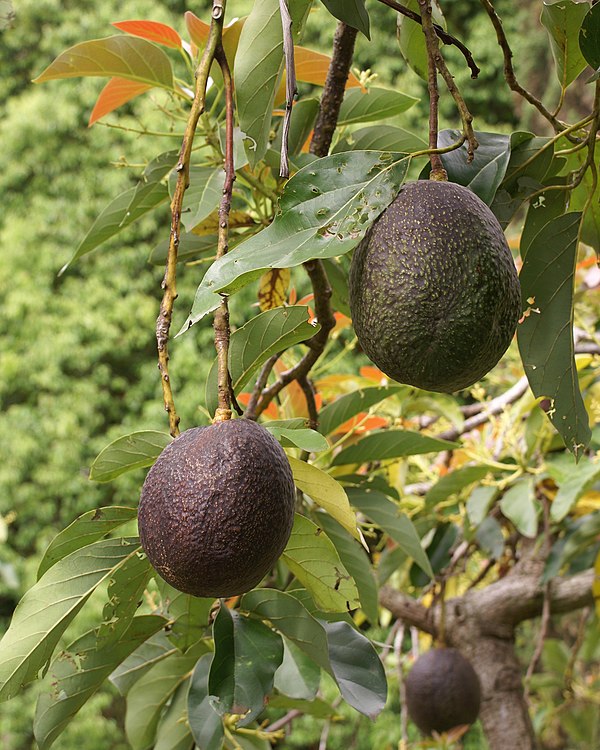
Photo: Wikimedia Commons
Best Planting Window for Subtropical
- Jan -
- Feb -
- Mar -
- Apr -
- May -
- Jun -
- Jul -
- Aug -
- Sep P
- Oct P
- Nov P
- Dec -
P = Planting window
South-east Queensland suits avocados well. Shepard picks from February to April and Hass from late autumn into spring, and good drainage is essential against root rot.
Want a nudge when it is sowing time?
One email a week with what is worth planting in the Subtropical zone right now, Avocado included, plus which veg has jumped in price at the supermarket. Free, and you can stop it in one click.
How to Grow Avocado in Subtropical Australia
- Soil
- Extremely well-drained, slightly acidic to neutral. Avocados CANNOT tolerate waterlogged roots. Phytophthora root rot is the #1 killer. Sandy loam ideal. Heavy clay is death. If you have clay, build a raised mound 50-60cm high.
- Salt
- Sensitive. Struggles with salty bore water or salty soil. Give it rainwater if you can.
- pH Range
- 5.5-6.5
- Sunlight
- Full sun. Protect young trees from harsh afternoon sun with shade cloth for first 2 years.
- Good companions
- Nasturtium, Comfrey
- Keep away from
- Anything that needs regular digging around root zone. Avocado roots are shallow and easily damaged
Subtropical Growing Tips for Avocado
Recommended Varieties
- Hass (A-type)
- Shepard (B-type)
- Wurtz (A-type, dwarf)
- Bacon (B-type)
Key Challenges
- Summer storms can cause waterlogging
- Phytophthora in poorly drained sites
- Fruit fly
Pro Tips
- This is ideal avocado country. Plant an A-type and B-type together.
- Hass and Shepard is the classic combination for cross-pollination.
- Raise planting mound 50cm above surrounding grade in anything other than perfect sandy loam.
Pests and problems for Avocado in Subtropical
- Queensland Fruit Fly Fruit fly Watch
- Phytophthora Root Rot DRAINAGE IS EVERYTHING. Plant on mounds in any soil heavier than sandy loam. Never over-water. Use resistant rootstocks (Dusa, Duke 7)... Watch
- Anthracnose Prune for open canopy. Pick fruit carefully without damage. Store in cool conditions. Healthy well-nourished trees have better resistance. Watch
Harvesting Avocado
When ready: Avocados do NOT ripen on the tree. Harvest when fruit reaches full size and skin begins to lose glossy sheen (Hass turns slightly purple-black). Pick one and leave at room temperature. If it ripens evenly in 7-10 days without rubbery texture, the crop is ready.
How to harvest: Cut stem with secateurs leaving 1cm stub. Never pull fruit. Handle gently. Bruises show as brown flesh.
Storing and preserving avocado
How to keep it
- Freezing (puree). Mash ripe flesh with 1 tbsp lemon juice per avocado. Pack into containers leaving 1cm headspace. Freeze flat in zip-lock bags. Keeps: 4-6 months.
- Guacamole freezing. Make guacamole, press plastic wrap directly onto surface (no air), freeze in portions. Keeps: 3-4 months.
- Oil infusion. Avocado oil can be pressed at home with appropriate equipment but commercial pressing is more practical. Keeps: Variable.
What avocado costs in the shops right now, retailer by retailer, updated daily.
What members get
- Soil and weather from your nearest station
- An email when it's time to sow
- Your own garden plan, including planning from a photo
- Price history and price alerts
- Pest risk alerts for your area
- Full salt and canning detail
Common Questions About Avocado
When do you plant avocado in Australia?
It depends on your climate zone, not the calendar month alone. Planting months by zone:
- Tropical (Cairns): Oct to Nov
- Subtropical (Brisbane): Sep to Nov
- Warm Temperate (Sydney): Sep to Nov
- Cool Temperate (Melbourne): Oct to Nov
- Cold / Highland (Canberra): not recommended
- Arid / Semi-Arid (Alice Springs): Sep to Oct
- Mediterranean (Perth): Sep to Nov
When should I plant Avocado in Brisbane?
South-east Queensland suits avocados well. Shepard picks from February to April and Hass from late autumn into spring, and good drainage is essential against root rot.
How do I know when Avocado are ready to harvest?
Avocados do NOT ripen on the tree. Harvest when fruit reaches full size and skin begins to lose glossy sheen (Hass turns slightly purple-black). Pick one and leave at room temperature. If it ripens evenly in 7-10 days without rubbery texture, the crop is ready.
What are the best Avocado varieties for Brisbane?
Recommended varieties for the Subtropical zone include: Hass (A-type), Shepard (B-type), Wurtz (A-type, dwarf), Bacon (B-type).
What grows well with Avocado?
Good companion plants for Avocado include: Nasturtium, Comfrey.
Are avocado salt tolerant?
No. Avocado are salt-sensitive, one of the more sensitive veggies. Use rainwater if your bore water is salty, or grow them in a raised bed of fresh mix if your soil is.
Which zone am I in?
Type your postcode into the box near the top of the page and it tells you, and links this crop in your own zone if it differs. Or look it up on the grow zone map. This page is the Subtropical zone, Brisbane is its reference city.