
When to Plant Peanut in Perth, Mediterranean Guide
What this month normally looks like in Mediterranean
In October the Mediterranean zone normally runs 22°C by day and 10°C overnight, with about 38 mm of rain over 6 or 7 wet days. The coldest October night on record across the zone was -0.2°C, so a late frost is not out of the question. Averages 1991 to 2026, 19 postcodes, SILO.
Jump to section
This Peanut guide is written for the Mediterranean zone, which takes in Perth, Adelaide and Bunbury. Somewhere else? Your postcode picks the right one.
Not your zone? Cairns Brisbane Sydney Melbourne Canberra Alice Springs
Also handy: will it frost this week? and what grows in shade.
- Planting window
- Oct to Dec
- Sun
- Full sun
- Soil pH
- 5.8–6.5
Not a nut at all. A legume related to beans. Annual crop sown in spring, harvested in autumn. After pollination, the flower stem (peg) grows downward into the soil where the pod develops underground.
Published · By GardenBuddy.au
Planting dates, current conditions and prices on this page update daily.
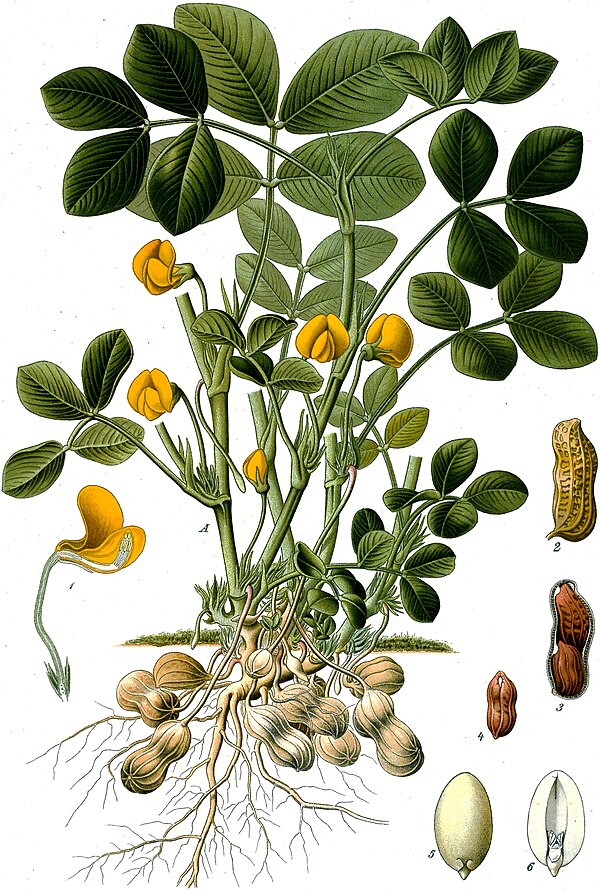
Photo: Wikimedia Commons
Planting Calendar for Mediterranean
- Jan -
- Feb -
- Mar -
- Apr -
- May -
- Jun -
- Jul -
- Aug -
- Sep -
- Oct D
- Nov D
- Dec D
S = Seed Tray T = Transplant D = Direct Sow
Want a nudge when it is sowing time?
One email a week with what is worth planting in the Mediterranean zone right now, Peanut included, plus which veg has jumped in price at the supermarket. Free, and you can stop it in one click.
How to Grow Peanut in Mediterranean Australia
- Soil
- Sandy to sandy loam ESSENTIAL. Peanuts form underground. Heavy clay prevents peg penetration and makes harvest difficult. Loose, well-drained soil is non-negotiable.
- Salt
- Moderately sensitive. Copes with a little salt, but the harvest drops on salty bore water.
- pH Range
- 5.8-6.5
- Sunlight
- Full sun. Maximum heat.
- Spacing
- 15-20cm between plants, 50-60cm between rowscm apart
- Good companions
- Summer squash (traditional Three Sisters-like combo), Lettuce, Sweet Corn, Radish, Spinach
- Keep away from
- Nothing specific
- Grow before it
- Roots and alliums (Carrot, Beetroot, Onion)
- Grow after it
- Leafy greens and brassicas (Lettuce, Silverbeet, Broccoli)
Give the bed 3 turns before legumes go back in. Beans and peas fix nitrogen, so they leave the bed richer than they found it.
Mediterranean Growing Tips for Peanut
Recommended Varieties
- Spanish types
Key Challenges
- Dry autumn, need irrigation for pod fill
Pro Tips
- Perth's sandy soils are actually ideal for peanut growing.
- Adelaide may be marginal on season length.
Pests and problems for Peanut in Mediterranean
- Aphids Watch
- Aflatoxin Contamination Adequate irrigation during pod development. Harvest promptly when mature. Dry quickly after harvest. Store in dry, cool conditions. Inspect... Watch
- Leaf Spots (Early and Late) Crop rotation (don't plant peanuts in same spot for 3 years). Remove debris after harvest. Watch
Harvesting Peanut
When ready: Plant yellows and begins to die back naturally. Pull a test plant. Pods should have dark-veined inner shell and mature kernels. Shell interior colour indicates maturity (dark = mature, white = immature).
How to harvest: Pull entire plant from soil (loosen with fork first). Shake off soil. Check pods are mature. Hang plants upside down in dry, ventilated area for 1-2 weeks to cure.
Expected yield: 20-40 pods per plant depending on type
Storing and preserving peanut
How to keep it
- Freezing. Freeze raw shelled peanuts in zip-lock bags. Keeps: 12 months.
- Roasting. Shell or roast in-shell. Oven 160°C for 15-20 minutes (shelled) or 25-30 minutes (in-shell). Salt optional. Keeps: 3 months room temp, 6 months refrigerated.
- Peanut butter. Roast, shell, blend in food processor until smooth/crunchy. Add salt and oil to taste. Keeps: 3 months room temp, 6 months refrigerated.
- Boiled peanuts. Boil raw green (freshly harvested) peanuts in salted water for 3-4 hours until soft. Southern US/Asian delicacy. Keeps: 1 week refrigerated.
What members get
- Soil and weather from your nearest station
- An email when it's time to sow
- Your own garden plan, including planning from a photo
- Price history and price alerts
- Pest risk alerts for your area
- Full salt and canning detail
Common Questions About Peanut
When do you plant peanut in Australia?
It depends on your climate zone, not the calendar month alone. Planting months by zone:
- Tropical (Cairns): Jan to Mar, Dec
- Subtropical (Brisbane): Oct to Dec
- Warm Temperate (Sydney): Oct to Dec
- Cool Temperate (Melbourne): not recommended
- Cold / Highland (Canberra): not recommended
- Arid / Semi-Arid (Alice Springs): Oct to Dec
- Mediterranean (Perth): Oct to Dec
Can you grow peanut all year round in Perth?
No. In the Mediterranean zone the planting months are Oct to Dec. Outside that window it either bolts, sulks or gets cut down by the weather.
When should I plant Peanut in Perth?
Sow seed direct into warm, loose sandy soil in spring. Perth's sands suit peanuts well; Adelaide's shorter season needs October sowing.
How do I know when Peanut are ready to harvest?
Plant yellows and begins to die back naturally. Pull a test plant. Pods should have dark-veined inner shell and mature kernels. Shell interior colour indicates maturity (dark = mature, white = immature). Expected yield: 20-40 pods per plant depending on type.
What are the best Peanut varieties for Perth?
Recommended varieties for the Mediterranean zone include: Spanish types.
What grows well with Peanut?
Good companion plants for Peanut include: Summer squash, Lettuce, Sweet Corn, Radish, Spinach.
Are peanut salt tolerant?
Only a little. Peanut are moderately sensitive to salt, so the harvest drops on salty bore water. Mix salty water with rainwater, and mulch the bed.
Which zone am I in?
Type your postcode into the box near the top of the page and it tells you, and links this crop in your own zone if it differs. Or look it up on the grow zone map. This page is the Mediterranean zone, Perth is its reference city.