
When to Plant Okra in Canberra, Cold / Highland Guide
Also called ladies fingers.
Soil temperature is modelled from Open-Meteo forecast (Canberra), not a live sensor.
What this month normally looks like in Cold / Highland
In October the Cold / Highland zone normally runs 20°C by day and 7°C overnight, with about 58 mm of rain over 7 or 8 wet days. The coldest October night on record across the zone was -6.4°C, so a late frost is not out of the question. Averages 1991 to 2026, 15 postcodes, SILO.
Jump to section
This Okra guide is written for the Cold / Highland zone, which takes in Canberra, Cooma and Bright. Somewhere else? Your postcode picks the right one.
Not your zone? Cairns Brisbane Sydney Melbourne Alice Springs Perth
Also handy: will it frost this week? and what grows in shade.
- Planting window
- Nov to Dec
- Days to harvest
- 55 days
- Sun
- Full sun
- Water
- Low
- Spacing
- 60 cm apart
- Soil pH
- 6.0–7.0
Okra (also called ladyfinger or gumbo) is a heat-loving tropical vegetable that thrives in Australia's warmer zones. It produces edible seed pods used in curries, stir-fries, and stews.
Published · By GardenBuddy.au
Planting dates, current conditions and prices on this page update daily.
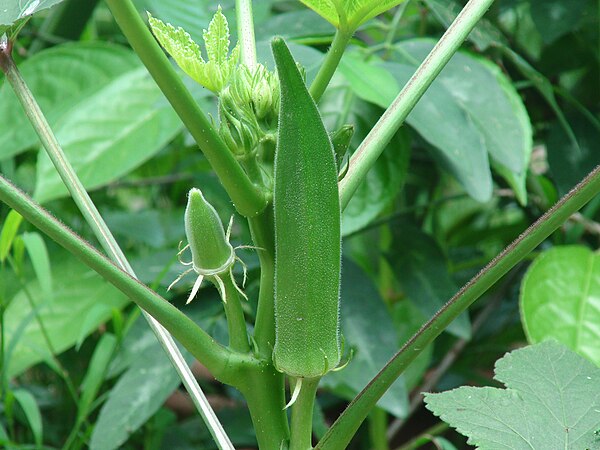
Photo: Wikimedia Commons
Planting Calendar for Cold / Highland
- Jan -
- Feb -
- Mar -
- Apr -
- May -
- Jun -
- Jul -
- Aug -
- Sep -
- Oct -
- Nov T/D
- Dec T/D
S = Seed Tray T = Transplant D = Direct Sow
Want a nudge when it is sowing time?
One email a week with what is worth planting in the Cold / Highland zone right now, Okra included, plus which veg has jumped in price at the supermarket. Free, and you can stop it in one click.
How to Grow Okra in Cold / Highland Australia
- Soil
- Well-drained, fertile loam enriched with compost. Tolerates clay if amended.
- Salt
- Moderately sensitive. Copes with a little salt, but the harvest drops on salty bore water.
- pH Range
- 6.0-7.0
- Sunlight
- Full sun (minimum 6-8 hours daily)
- Spacing
- 60cm apart, 90cm between rows
- Watering
- Deep watering twice weekly once established. Okra is drought-tolerant once growing but yields better with consistent moisture. Reduce watering if pods become slimy.
- Good companions
- Basil, Capsicum, Sunflower, Eggplant, Bitter Melon
- Keep away from
- Brassicas
- Grow before it
- Leafy greens and brassicas (Lettuce, Silverbeet, Broccoli)
- Grow after it
- Roots and alliums (Carrot, Beetroot, Onion)
Give the bed 3 turns before other fruiting crops go back in. Corn, okra and sunflower are heavy feeders that sit with the fruiting crops in the cycle.
Cold / Highland Growing Tips for Okra
Recommended Varieties
- Annie Oakley (dwarf), greenhouse only
Key Challenges
- Inadequate warmth for reliable cropping
- Frost risk at both ends of season
- Extremely short season
Pro Tips
- Greenhouse with supplemental heating is the only realistic option
- Consider growing something else. Okra is poorly suited to this zone
- If attempting, use black containers against a north wall inside greenhouse
Pests and problems for Okra in Cold / Highland
Harvesting Okra
When ready: Pods 5-8cm long (finger length), firm, snap cleanly when bent. Overmature pods become woody and fibrous.
How to harvest: Cut pods with sharp knife or secateurs leaving a short stem. Wear gloves. Okra spines irritate skin. Harvest every 2-3 days in warm weather.
Storing and preserving okra
How to keep it
- Freezing. Blanch whole pods for 3 minutes, ice bath, drain. Slice or leave whole. Freeze on tray then bag. Keeps: 12 months.
- Dehydrating. Slice into 5mm rounds. Dehydrate at 55C for 8-12 hours until crisp. Store in airtight container. Keeps: 6-12 months.
- Pickling. Pack whole small pods vertically in sterilised jars. Cover with boiling vinegar brine (white vinegar, salt, garlic, dill). Water bath 10 minutes. Keeps: 12 months.
Canning safety. Low-acid vegetables like okra must be pressure canned, never water-bath canned.
What okra costs in the shops right now, retailer by retailer, updated daily.
What members get
- Soil and weather from your nearest station
- An email when it's time to sow
- Your own garden plan, including planning from a photo
- Price history and price alerts
- Pest risk alerts for your area
- Full salt and canning detail
Common Questions About Okra
When do you plant okra in Australia?
It depends on your climate zone, not the calendar month alone. Planting months by zone:
- Tropical (Cairns): Feb to Dec
- Subtropical (Brisbane): Jan, Sep to Dec
- Warm Temperate (Sydney): Sep to Dec
- Cool Temperate (Melbourne): Oct to Dec
- Cold / Highland (Canberra): Nov to Dec
- Arid / Semi-Arid (Alice Springs): Jan, Sep to Dec
- Mediterranean (Perth): Sep to Dec
Can you grow okra all year round in Canberra?
No. In the Cold / Highland zone the planting months are Nov to Dec. Outside that window it either bolts, sulks or gets cut down by the weather.
What else is okra called?
Okra is the usual Australian name. Overseas seed packets and recipes call it ladies fingers. Same plant, same growing advice.
When should I plant Okra in Canberra?
You might be able to grow it here under the right conditions. Sow direct or plant out seedlings in November and December after the last frost, in the warmest spot you have or under cover. Expect a short picking season in February and March.
What soil temperature do Okra need?
Okra germinate best when soil temperature is between 20°C and 35°C.
How do I know when Okra are ready to harvest?
Pods 5-8cm long (finger length), firm, snap cleanly when bent. Overmature pods become woody and fibrous.
What are the best Okra varieties for Canberra?
Recommended varieties for the Cold / Highland zone include: Annie Oakley (dwarf), greenhouse only.
What grows well with Okra?
Good companion plants for Okra include: Basil, Capsicum, Sunflower, Eggplant, Bitter Melon.
Are okra salt tolerant?
Only a little. Okra are moderately sensitive to salt, so the harvest drops on salty bore water. Mix salty water with rainwater, and mulch the bed.
Which zone am I in?
Type your postcode into the box near the top of the page and it tells you, and links this crop in your own zone if it differs. Or look it up on the grow zone map. This page is the Cold / Highland zone, Canberra is its reference city.