
When to Plant Sunflower in Alice Springs, Arid / Semi-Arid Guide
Soil temperature is modelled from Open-Meteo forecast (Alice Springs), not a live sensor.
What this month normally looks like in Arid / Semi-Arid
In October the Arid / Semi-Arid zone normally runs 32°C by day and 16°C overnight, with about 19 mm of rain over 2 or 3 wet days. The coldest October night on record across the zone was 1.9°C, so a late frost is not out of the question. Averages 1991 to 2026, 10 postcodes, SILO.
Jump to section
This Sunflower guide is written for the Arid / Semi-Arid zone, which takes in Alice Springs, Broken Hill and Port Augusta. Somewhere else? Your postcode picks the right one.
Not your zone? Cairns Brisbane Sydney Melbourne Canberra Perth
Also handy: will it frost this week? and what grows in shade.
- Planting window
- Aug to Feb
- Days to harvest
- about 11 weeks
- Sun
- Full sun
- Water
- Low
- Spacing
- 45 cm apart
- Soil pH
- 6.0–7.5
Sunflowers are dual-purpose annual plants grown for edible seeds and ornamental beauty.
Published · By GardenBuddy.au
Planting dates, current conditions and prices on this page update daily.
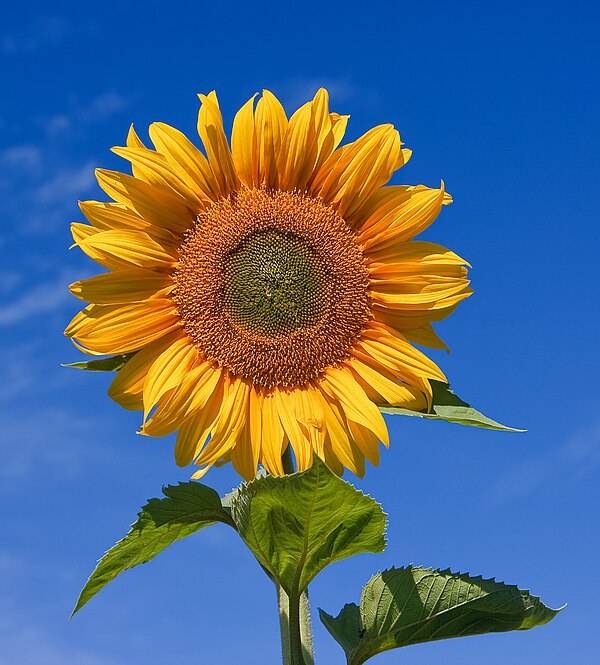
Photo: Wikimedia Commons
Planting Calendar for Arid / Semi-Arid
- Jan S/T/D
- Feb T/D
- Mar -
- Apr -
- May -
- Jun -
- Jul -
- Aug S
- Sep S/T/D
- Oct S/T/D
- Nov S/T/D
- Dec S/T/D
S = Seed Tray T = Transplant D = Direct Sow
Want a nudge when it is sowing time?
One email a week with what is worth planting in the Arid / Semi-Arid zone right now, Sunflower included, plus which veg has jumped in price at the supermarket. Free, and you can stop it in one click.
How to Grow Sunflower in Arid / Semi-Arid Australia
- Soil
- Tolerates a wide range but prefers well-drained loam. Will grow in poor soil but produces larger heads in enriched soil. Remarkably drought-tolerant once established due to deep taproot.
- Salt
- Moderately tolerant. Handles slightly salty water better than most veggies.
- pH Range
- 6.0-7.5
- Sunlight
- Full sun, minimum 6 hours, ideally 8+. Sunflowers are heliotropic (young heads follow the sun) and need maximum light for best growth.
- Spacing
- 45cm apart, 75cm between rows
- Watering
- Water well at planting and during early growth. Once established (30cm+), sunflowers are surprisingly drought-tolerant. Deep weekly watering during head development and seed fill improves yield.
- Good companions
- Cucumber, Sweet Corn, Summer squash, Sweet Potato, Pumpkin
- Keep away from
- Cherry, Chickpeas, Climbing Beans (allelopathic inhibition), Potato (allelopathic inhibition), Quince
- Grow before it
- Leafy greens and brassicas (Lettuce, Silverbeet, Broccoli)
- Grow after it
- Roots and alliums (Carrot, Beetroot, Onion)
Give the bed 3 turns before other fruiting crops go back in. Corn, okra and sunflower are heavy feeders that sit with the fruiting crops in the cycle.
Arid / Semi-Arid Growing Tips for Sunflower
Recommended Varieties
- Giant Russian
- Mammoth Grey Stripe
- Hopi Black Dye (heritage, drought-adapted)
- Autumn Beauty
Key Challenges
- Extreme heat can scorch plants
- Requires irrigation
- Bird damage when seeds ripen
Pro Tips
- Sunflowers are remarkably heat-tolerant once the taproot establishes
- Deep watering at planting, then weekly deep irrigation
- Hopi Black Dye is a heritage variety bred for arid conditions
Pests and problems for Sunflower in Arid / Semi-Arid
- Aphids and Leaf Spots Moderate
- Downy Mildew Watch
- Sunflower Rust Plant resistant varieties where available. Adequate spacing. Remove volunteer sunflowers and crop debris. Crop rotation. Watch
- Alternaria Leaf Blight / Head Rot Crop rotation (do not grow sunflowers or other Asteraceae in same spot year after year). Remove crop residues after harvest. Avoid overhead... Watch
Organic prevention (Aphids): Healthy, well-spaced plants resist aphids. Avoid excess nitrogen. Sunflowers naturally attract ladybirds and hoverflies which control aphids.
Harvesting Sunflower
When ready: For EDIBLE SEEDS: back of head turns from green to yellow-brown, petals have dried and fallen, seeds are plump and hard, head droops downward. For ORNAMENTAL cut flowers: harvest when first ring of outer florets opens, before fully open.
How to harvest: For seeds: cut head with 30cm of stem. Hang upside down in dry, airy place inside a paper bag or with cloth underneath to catch falling seeds. Alternatively, rub seeds out of head by hand once dry (wear gloves, rough). For cut flowers: cut stems early morning, place in water immediately.
Storing and preserving sunflower
How to keep it
- Dry Storage (raw, in shell). Ensure seeds are completely dry (snap when bent). Store in paper bags or breathable containers in cool, dry, dark place. Check monthly for moisture or mould. Keeps: 6-12 months in cool storage.
- Roasted Sunflower Seeds (in shell). Soak raw seeds in salted water (60g salt per litre) overnight. Drain, spread on baking tray. Roast at 150C for 25-35 minutes, stirring every 10 minutes, until golden and crisp. Season while warm with additional salt, garlic powder, or spices as desired. Keeps: 2-3 months in airtight container.
- Shelled Seeds (sunflower kernels). To shell: gently crack shells with rolling pin or in a plastic bag tapped with a mallet. Separate shells from kernels by floating in water (shells float, kernels sink). Drain and dry kernels. Store raw or roast at 150C for 15-20 minutes. Keeps: 3 months room temperature, 6 months refrigerated, 12 months frozen.
- Sunflower Seed Butter. Roast shelled kernels at 160C for 12-15 minutes. Cool. Process in food processor 10-15 minutes, scraping sides frequently, until smooth and buttery. Add salt and a tablespoon of neutral oil if needed. Excellent nut-free alternative to peanut butter. Keeps: 2-3 months refrigerated.
What members get
- Soil and weather from your nearest station
- An email when it's time to sow
- Your own garden plan, including planning from a photo
- Price history and price alerts
- Pest risk alerts for your area
- Full salt and canning detail
Common Questions About Sunflower
When do you plant sunflower in Australia?
It depends on your climate zone, not the calendar month alone. Planting months by zone:
- Tropical (Cairns): Mar to Sep
- Subtropical (Brisbane): Jan to Mar, Sep to Dec
- Warm Temperate (Sydney): Aug to Dec
- Cool Temperate (Melbourne): Oct to Dec
- Cold / Highland (Canberra): Oct to Dec
- Arid / Semi-Arid (Alice Springs): Jan to Feb, Aug to Dec
- Mediterranean (Perth): Jan, Sep to Dec
Can you grow sunflower all year round in Alice Springs?
No. In the Arid / Semi-Arid zone the planting months are Jan to Feb, Aug to Dec. Outside that window it either bolts, sulks or gets cut down by the weather.
When should I plant Sunflower in Alice Springs?
Sow from spring once frost has passed, with the last sowing in February. Sunflowers handle the heat well with deep watering.
What soil temperature do Sunflower need?
Sunflower germinate best when soil temperature is between 15°C and 35°C.
How do I know when Sunflower are ready to harvest?
For EDIBLE SEEDS: back of head turns from green to yellow-brown, petals have dried and fallen, seeds are plump and hard, head droops downward. For ORNAMENTAL cut flowers: harvest when first ring of outer florets opens, before fully open.
What are the best Sunflower varieties for Alice Springs?
Recommended varieties for the Arid / Semi-Arid zone include: Giant Russian, Mammoth Grey Stripe, Hopi Black Dye (heritage, drought-adapted), Autumn Beauty.
What grows well with Sunflower?
Good companion plants for Sunflower include: Cucumber, Sweet Corn, Summer squash, Sweet Potato, Pumpkin.
Are sunflower salt tolerant?
Fairly. Sunflower are moderately tolerant of salt and handle slightly salty water better than most veggies.
Which zone am I in?
Type your postcode into the box near the top of the page and it tells you, and links this crop in your own zone if it differs. Or look it up on the grow zone map. This page is the Arid / Semi-Arid zone, Alice Springs is its reference city.